
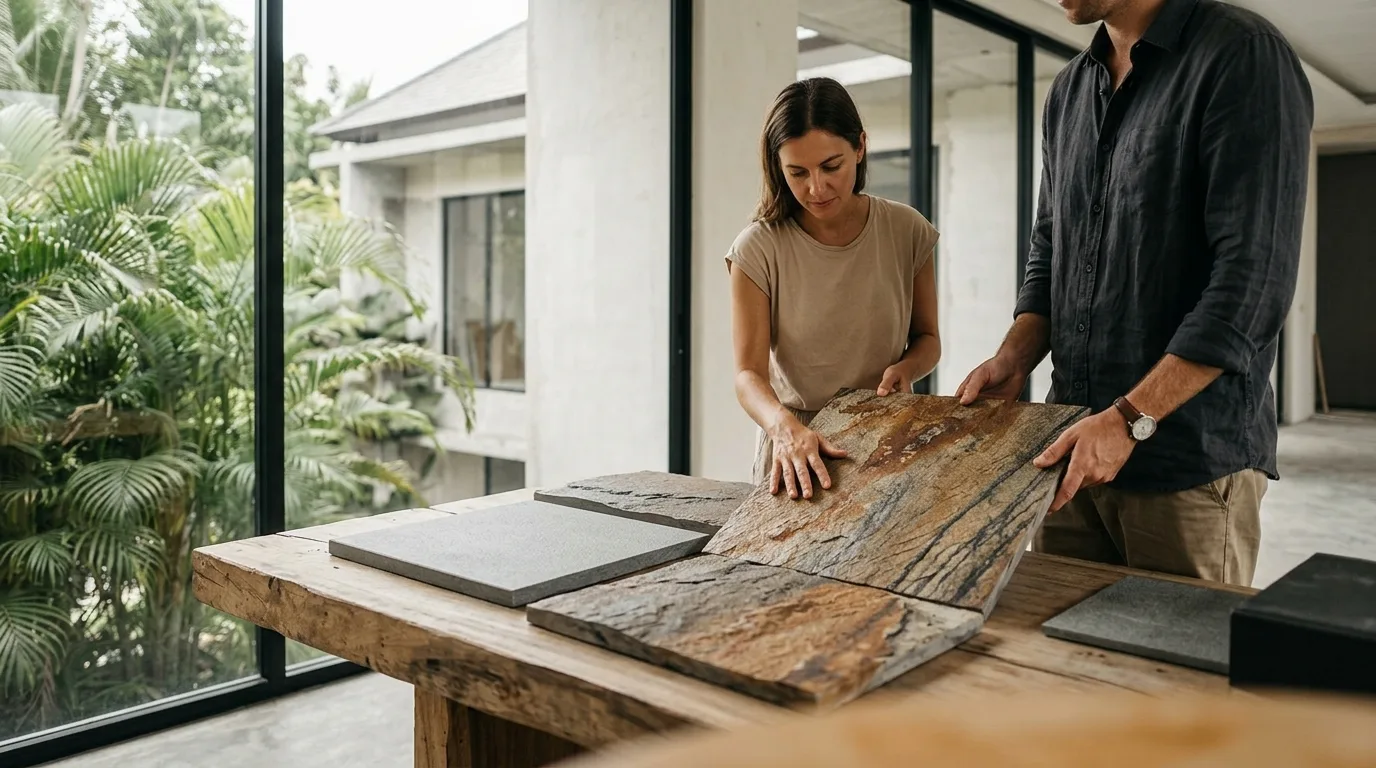
Natural stone contains variation in color, grain, texture and other characteristics. A physical sample allows the project team to see the material directly and creates a shared reference for discussions. The primary question behind natural stone samples is therefore best answered through the actual project conditions, not through a generic material label.
A photograph cannot show the whole range
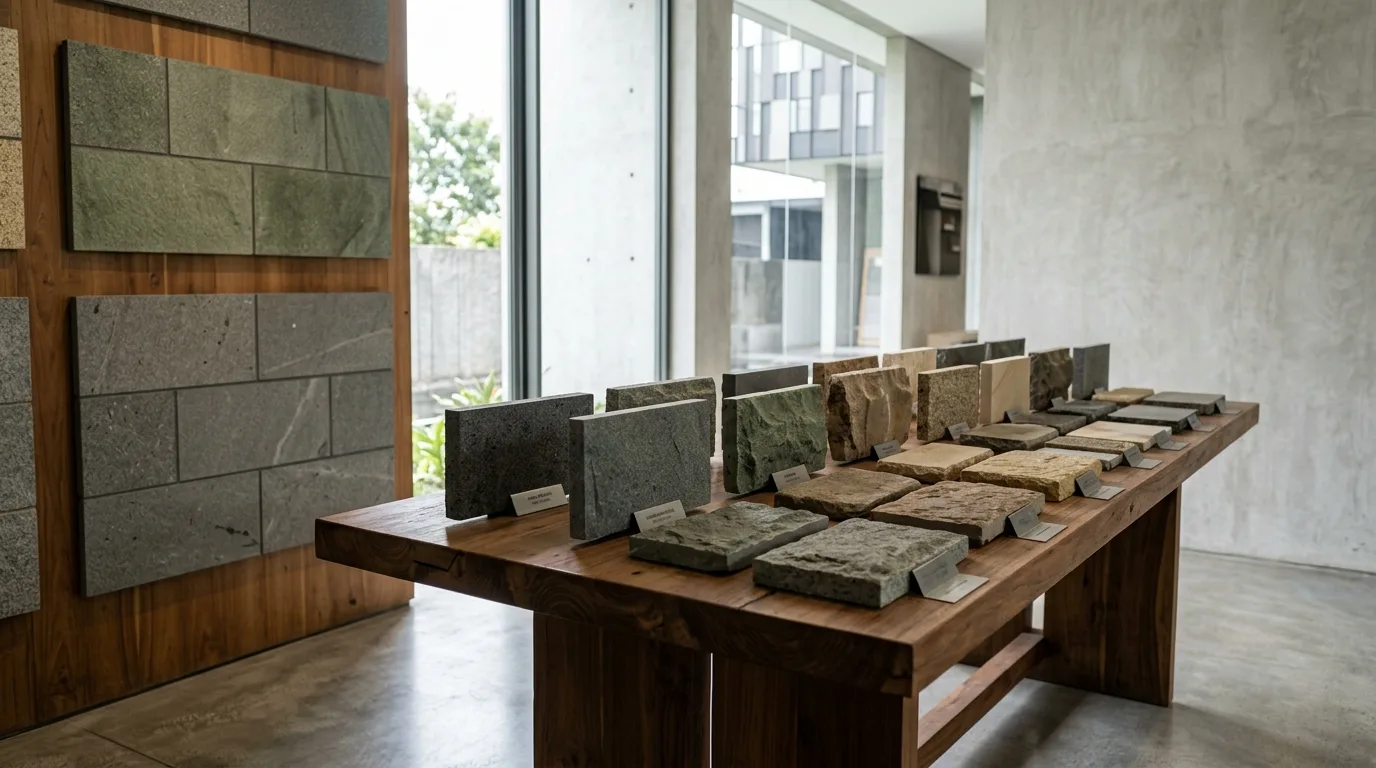
Natural stone contains variation in color, grain, texture and other characteristics. A physical sample allows the project team to see the material directly and creates a shared reference for discussions.
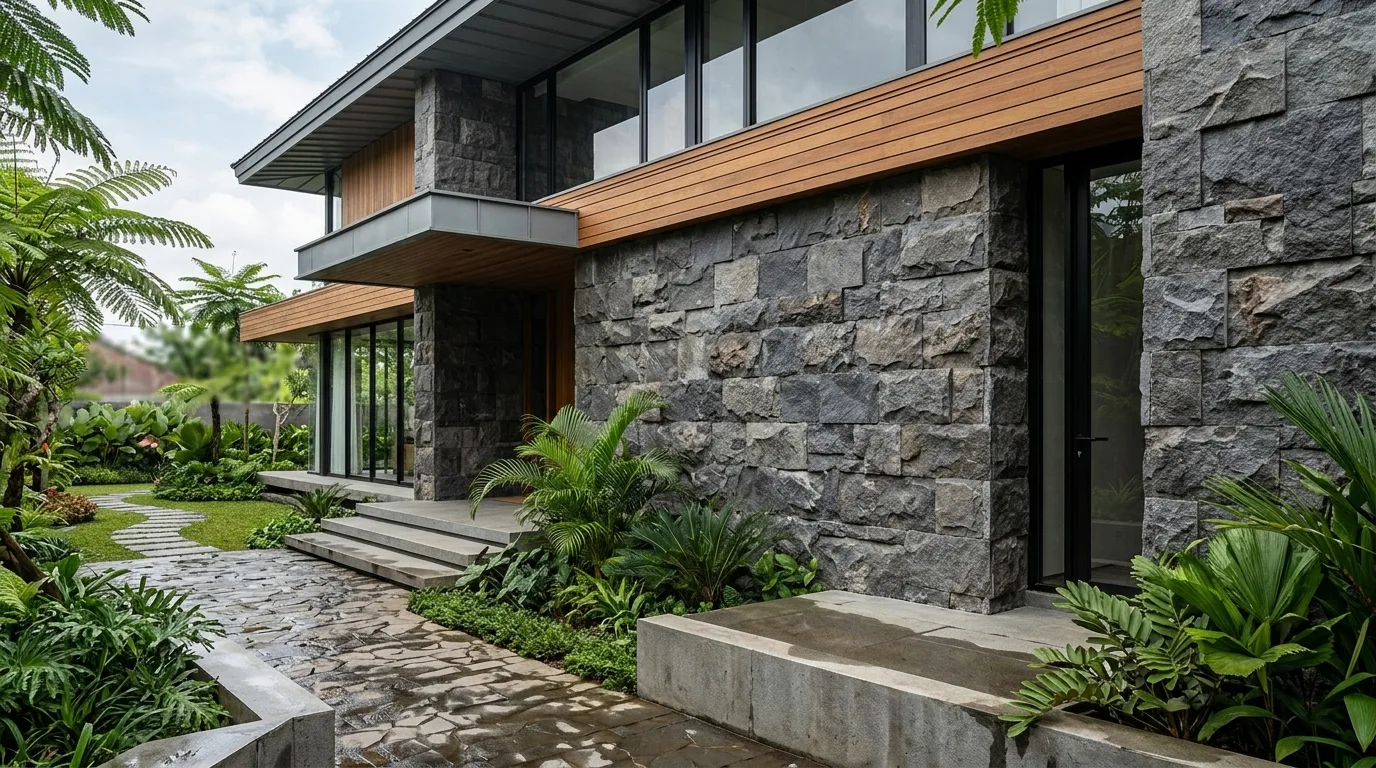
Samples help compare adjacent materials
Place the stone beside paint, timber, metal, cabinetry, grout or other finishes. A color that looks neutral alone may appear warmer or cooler next to another material.
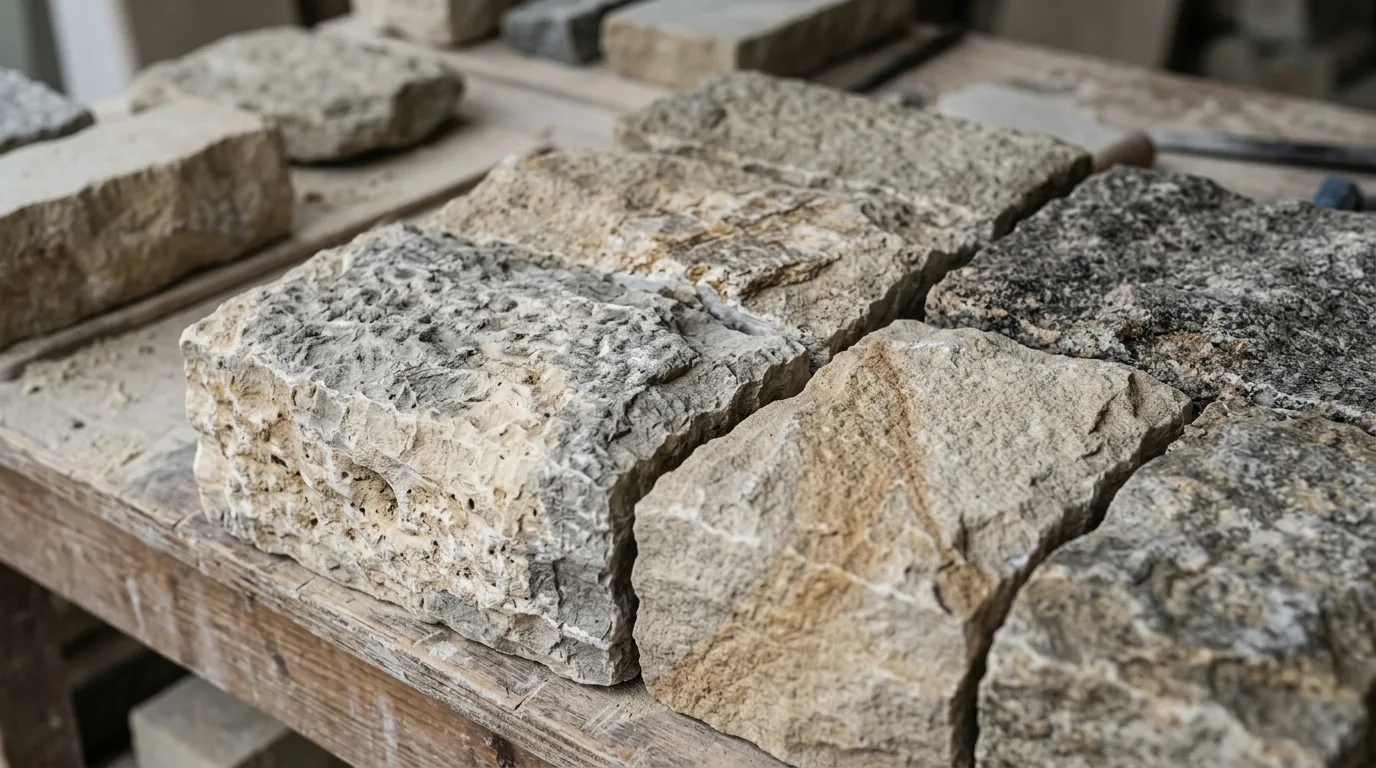
Scale matters
A small sample can communicate basic color and texture but cannot fully represent a large floor or feature wall. For prominent projects, a larger sample or mock-up can reveal how the material reads at architectural scale.
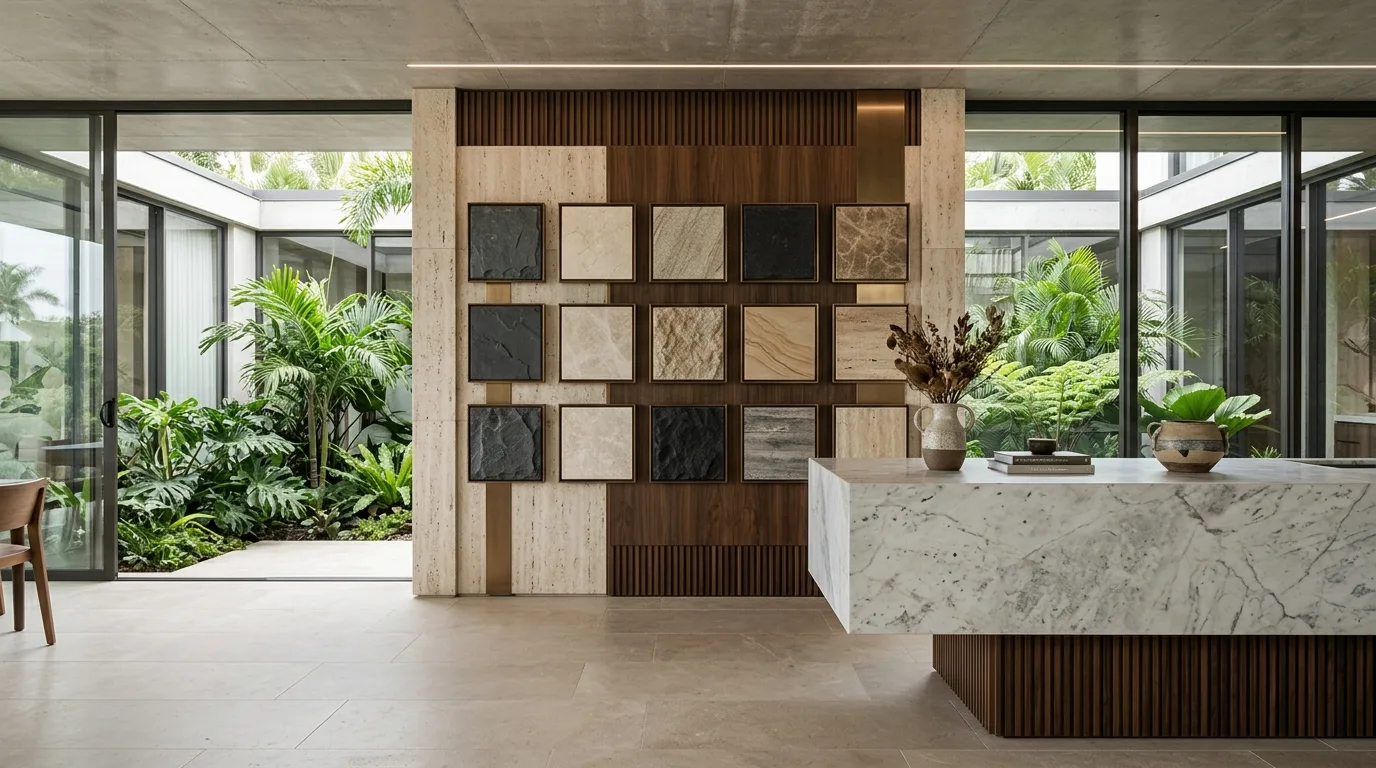
Test the finish
Touch and view the actual proposed finish. Surface texture can affect reflections, shadow, cleaning and the overall character of the space. Do not assume two finishes of the same stone will look interchangeable.
Review under project lighting
Natural daylight, warm artificial light and directional lighting can produce different readings. If the stone is a major visual element, review it under conditions close to the finished space.
Samples support quality control
An approved sample can become a reference when production begins. It does not eliminate natural variation, but it helps the team distinguish an acceptable range from a product that clearly falls outside the agreed expectation.
Keep approval records
Record the sample date, product, finish, dimensions and approval status. For international procurement, photographs of the approved physical reference can also help teams communicate across locations.
Order with confidence
The purpose of sampling is not to guarantee identical pieces. It is to make the material's character visible before the project commits to a larger quantity. That makes design, procurement and quality conversations more concrete.
A practical project checklist
- Sample size
- Lighting conditions
- Adjacent materials
- Finish
- Acceptable variation
- Mock-up need
- Approval record
- Supplier reference
Questions buyers and designers should ask
Why is a physical stone sample useful? It makes natural variation, texture and color visible and creates a shared reference before a larger quantity is ordered.
Final takeaway
The most reliable approach to natural stone samples is to define the application, verify the actual material or finish, review a physical reference, and document the approved specification before production. Natural stone is a real material with variation, while manufactured alternatives and different finishing processes can behave differently. Clear information at the selection stage helps designers, buyers, suppliers and installers work from the same expectation.
For an international project, continue that clarity through packing, labeling and delivery documentation. Keep the approved sample, drawings and product information together so the delivered material can be checked against the intended scope. This is especially useful when a project is large, phased or being coordinated across different teams.
A good material decision is therefore not simply about choosing a stone that looks attractive. It is about choosing a product whose appearance, format, finish, installation requirements and maintenance expectations make sense for the place where it will be used.
A sample is also a useful communication tool between people who see the project differently. The architect may focus on composition, the owner on color, the contractor on installation, and the supplier on production. A shared physical piece gives each person the same material reference.
For natural stone with significant variation, one sample may not be enough. A small range of pieces can show the relationship between lighter, darker, more textured or more patterned examples. The project can then define what range is acceptable rather than expecting identical pieces.
Samples can also expose practical details that photographs hide. Thickness, edge quality, surface texture and the way light moves across the finish become easier to judge. These observations can influence format and installation decisions.
Once approved, store the sample information carefully. A later replacement or additional order is easier when the original product name, finish, dimensions and supplier reference are known.
For an international buyer, the sample also creates a bridge between a remote design team and a production facility. A photograph can show the same stone, but screen settings and lighting can change its appearance. A physical sample gives everyone a tangible reference. When the order is large, consider approving a representative range rather than a single idealized piece. This is especially helpful for materials with visible geological variation. The objective is to establish a realistic visual expectation that can be checked during production and before shipment.
For an international buyer, the sample also creates a bridge between a remote design team and a production facility. A photograph can show the same stone, but screen settings and lighting can change its appearance. A physical sample gives everyone a tangible reference. When the order is large, consider approving a representative range rather than a single idealized piece. This is especially helpful for materials with visible geological variation. The objective is to establish a realistic visual expectation that can be checked during production and before shipment.
A sample can also reveal whether a material works with the intended joint. Place several pieces together and view the result at normal standing distance. This is particularly useful for tile products, where individual pieces may look different once repeated. For a feature wall or countertop, a larger sample can also show whether the natural pattern has the right scale. Sampling is therefore a design tool, a procurement tool and a quality-control reference at the same time.
A sample can also reveal whether a material works with the intended joint. Place several pieces together and view the result at normal standing distance. This is particularly useful for tile products, where individual pieces may look different once repeated. For a feature wall or countertop, a larger sample can also show whether the natural pattern has the right scale. Sampling is therefore a design tool, a procurement tool and a quality-control reference at the same time.
A sample can also reveal whether a material works with the intended joint. Place several pieces together and view the result at normal standing distance. This is particularly useful for tile products, where individual pieces may look different once repeated. For a feature wall or countertop, a larger sample can also show whether the natural pattern has the right scale. Sampling is therefore a design tool, a procurement tool and a quality-control reference at the same time.
Keeping the project reference clear
Once the material decision is made, keep the approved reference connected to every later stage. Record the exact product, finish, format, sample and intended application, then share that information with the people responsible for purchasing, production, inspection and installation. For natural stone samples, this simple documentation step helps prevent a design decision from becoming distorted as the project moves from concept to quotation and finally to the finished site.
It is also useful to keep photographs of approved samples and completed installations. They can support future repairs, additional phases and quality discussions. Natural materials should be judged against realistic expectations of variation, while manufactured products should be identified by their exact product references. Clear records make both approaches easier to manage.