
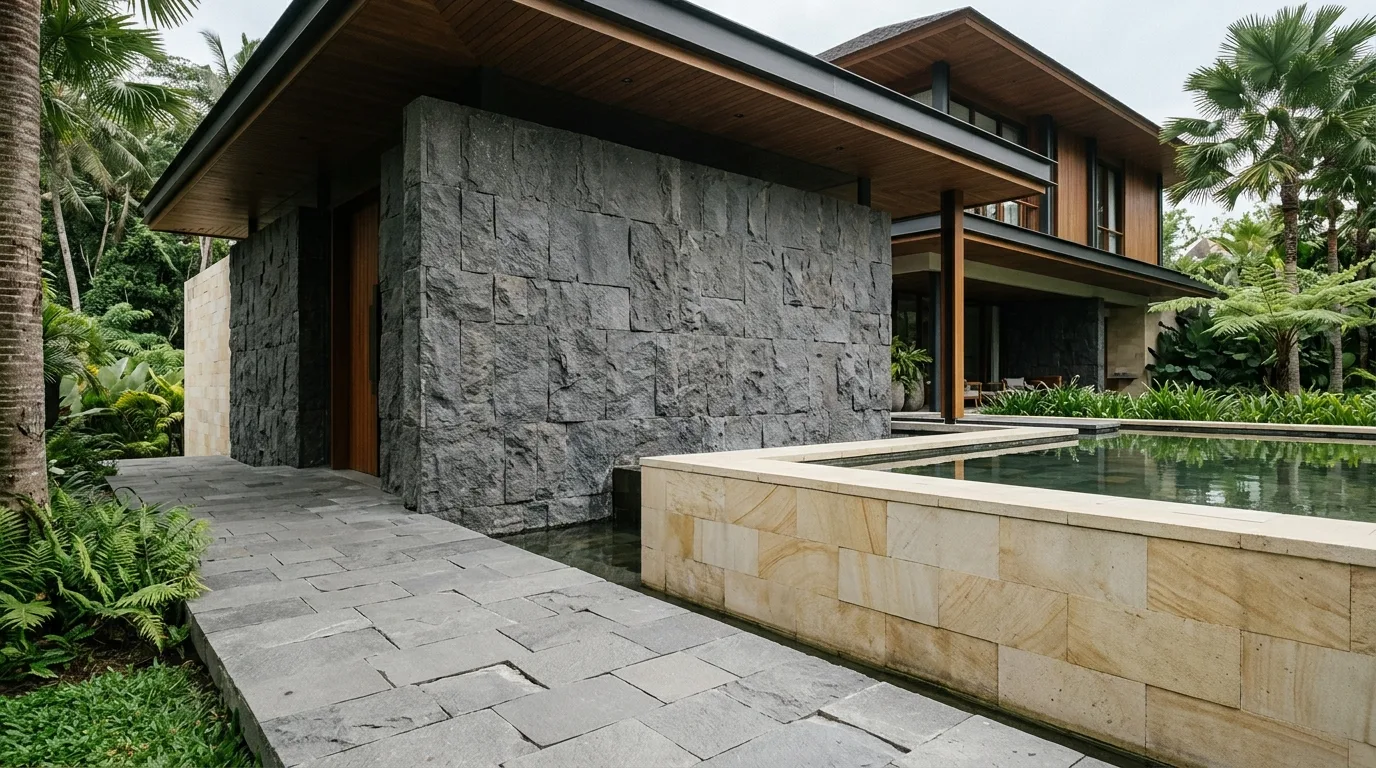
Choosing or understanding natural stone price becomes much easier when the material is considered in its actual architectural context. The right question is rarely just whether a stone looks attractive; it is how the material behaves, is produced, installed, maintained and supplied for the intended project.
Stone type is only the beginning
The phrase natural stone price describes a broad market rather than one fixed number. Different stones can have different quarry availability, processing requirements, visual characteristics and supply conditions. A useful quotation therefore starts with the exact material rather than the category alone.
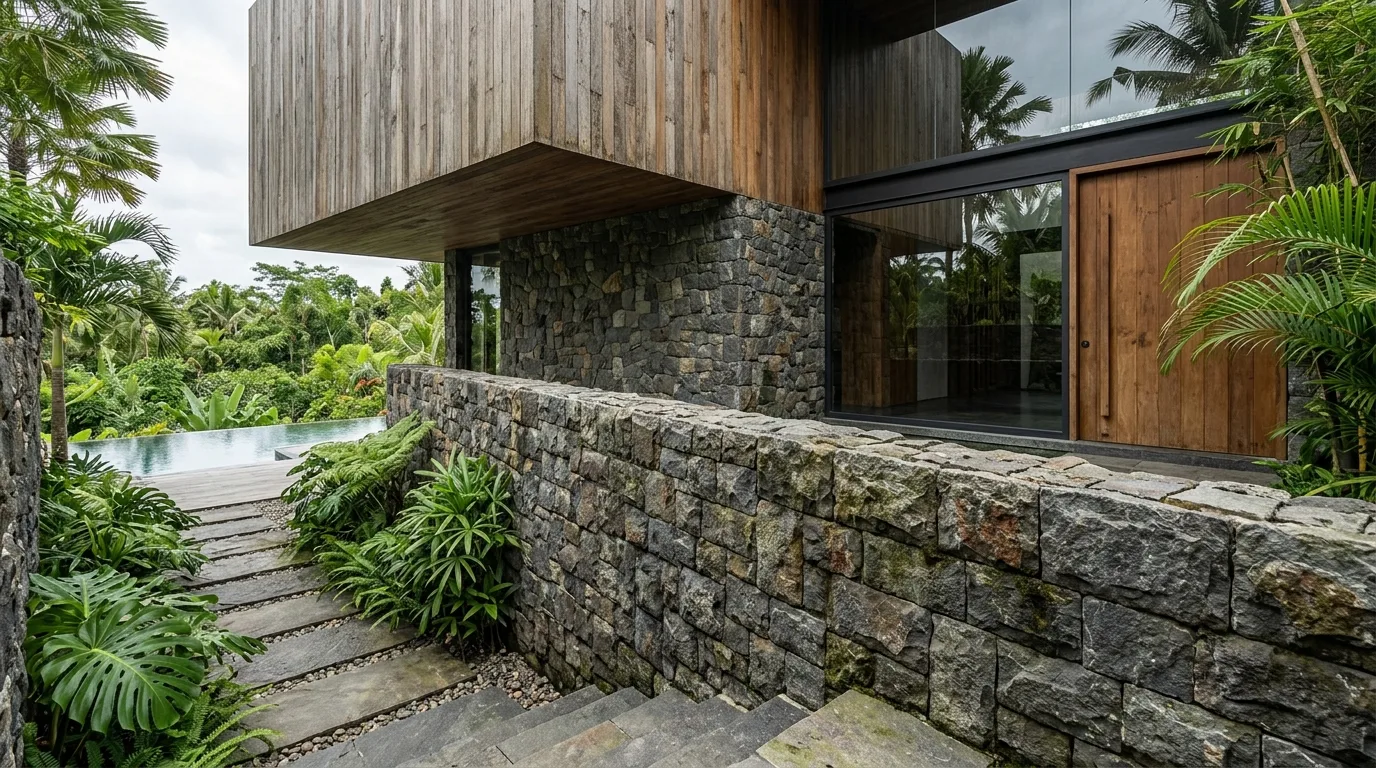
Format and thickness
A tile, slab, cut-to-size piece and block represent different production requirements. Dimensions and thickness affect cutting, yield, handling, packaging and sometimes installation. If a project uses several formats, each should be priced as a defined product.

Finish and fabrication
Finishing processes can add production steps and influence the final appearance. Additional fabrication such as edge profiles, cutouts, special shapes or calibrated pieces can also change the cost. Buyers should separate the stone itself from fabrication services when reviewing a quotation.
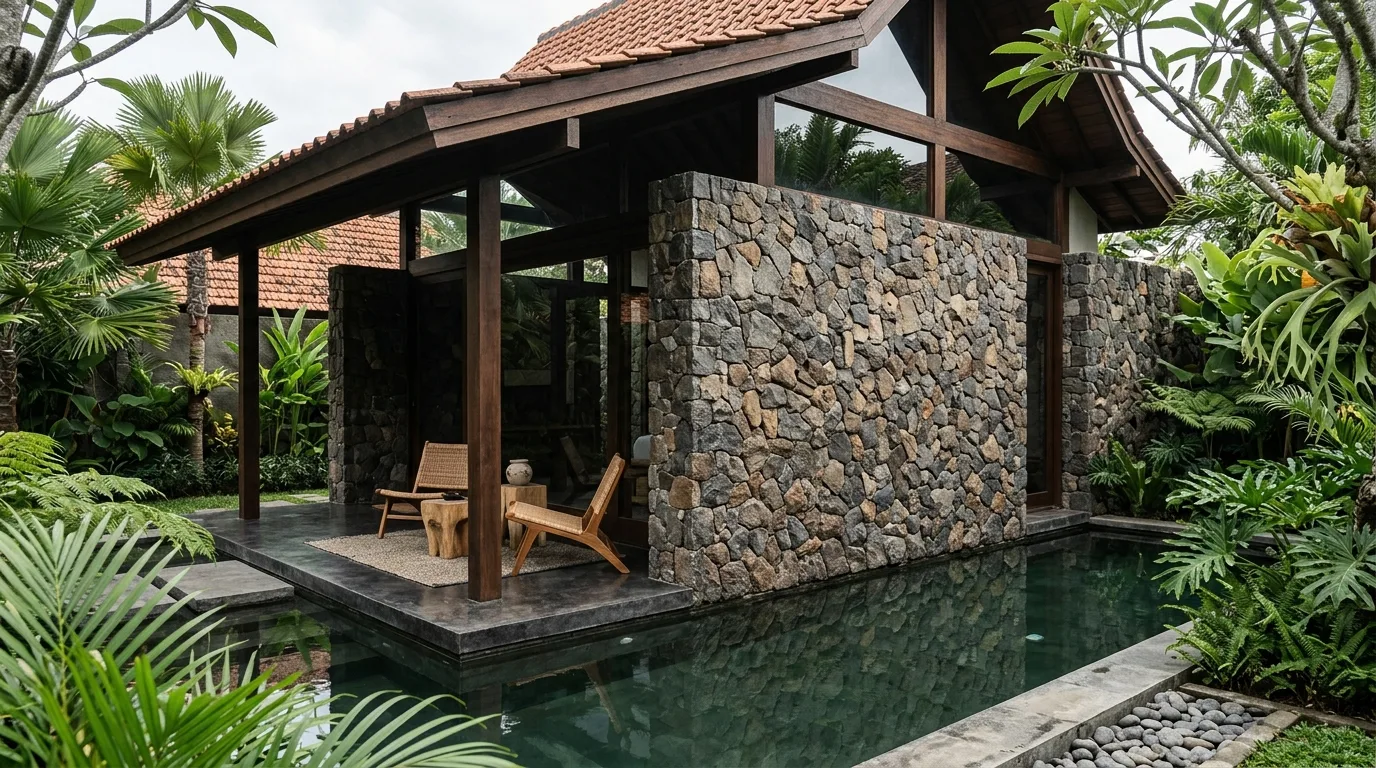
Quantity and material yield
Large orders can require production planning, while custom dimensions can influence how efficiently raw material is used. Waste allowances should be considered together with the requested layout. The lowest unit price is not necessarily the same as the lowest total material cost if the format creates significant waste.
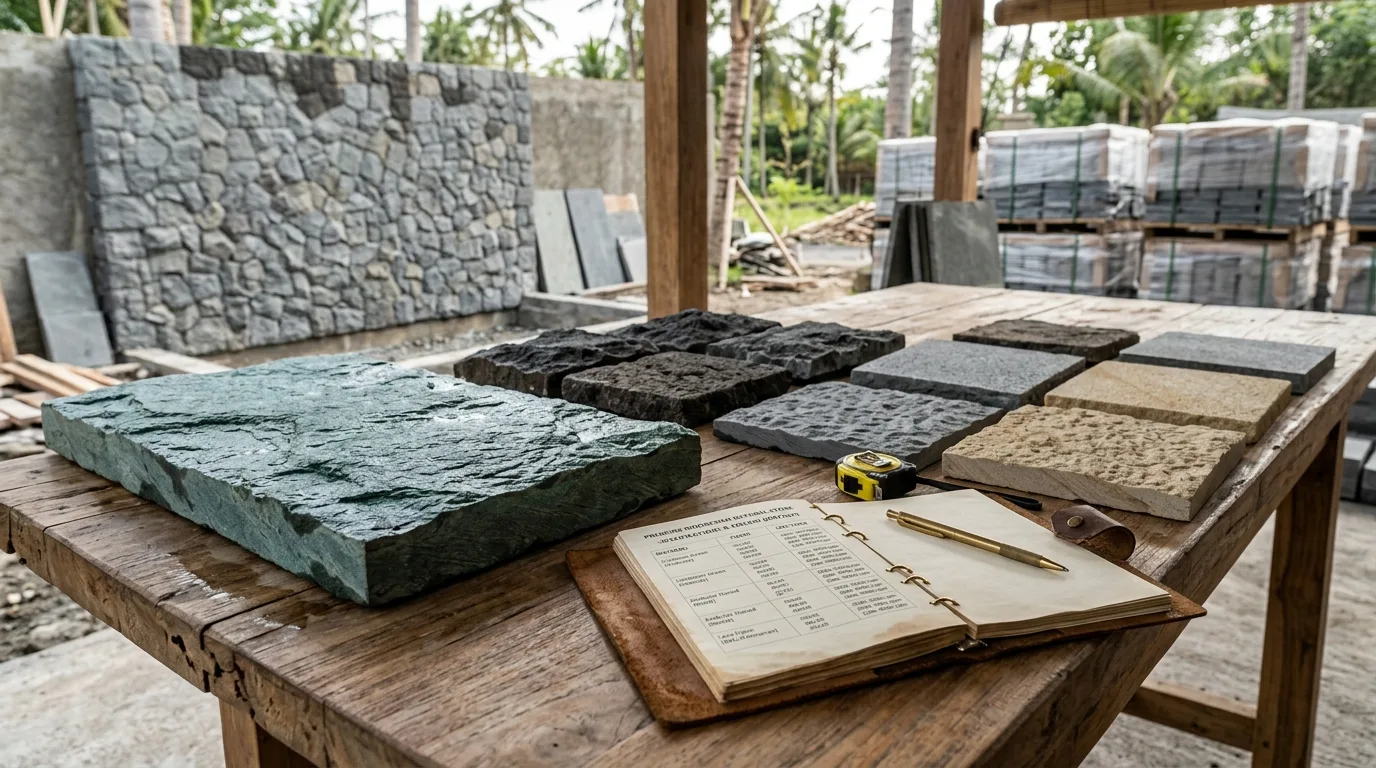
Packaging and logistics
For international projects, the final budget can include packing, loading, documentation, freight and destination-related charges depending on the agreed commercial terms. These items should be clarified rather than hidden inside a single material number.
How to compare quotations
Ask each supplier to quote the same material, size, thickness, finish, quantity, packaging basis and delivery scope. A consistent request makes the numbers more comparable and reveals which differences come from the product and which come from services or logistics.
Project questions to resolve
Stone type
Format and thickness
Finish
Fabrication
Quantity and yield
Packing and logistics
What to confirm before the final decision
For international procurement, ask whether the quotation is for material only or includes packing and delivery. Clear commercial terms make a natural stone price easier to understand and reduce surprises when the order moves from production to shipment.
For natural stone price, keep the approved product information together with the drawings, sample and purchase documentation. This creates a common reference for designers, buyers, production teams and installers. It is especially useful when a project is delivered in stages or when the material travels internationally.
Final takeaway
The most reliable approach is to evaluate the actual product against the actual application. Review the material's appearance, format, finish, fabrication requirements, installation conditions, maintenance expectations and supply logistics before committing to the order. Natural stone decisions become clearer when the project team replaces vague labels with specific, documented requirements.
Another useful consideration is the relationship between the selected material and the people who will work with it. Designers need a clear visual reference, procurement teams need an exact product description, production teams need measurable dimensions, and installers need a practical layout. Keeping those needs connected prevents the material from being reinterpreted at each stage.
Before the final order, review the selected natural stone price in the context of the complete project palette and construction sequence. Confirm that the intended appearance can be reproduced with the available product, that the required quantity can be supplied, and that the approved reference remains attached to the order. This is a simple step, but it becomes increasingly valuable as project size and distance between teams increase.