
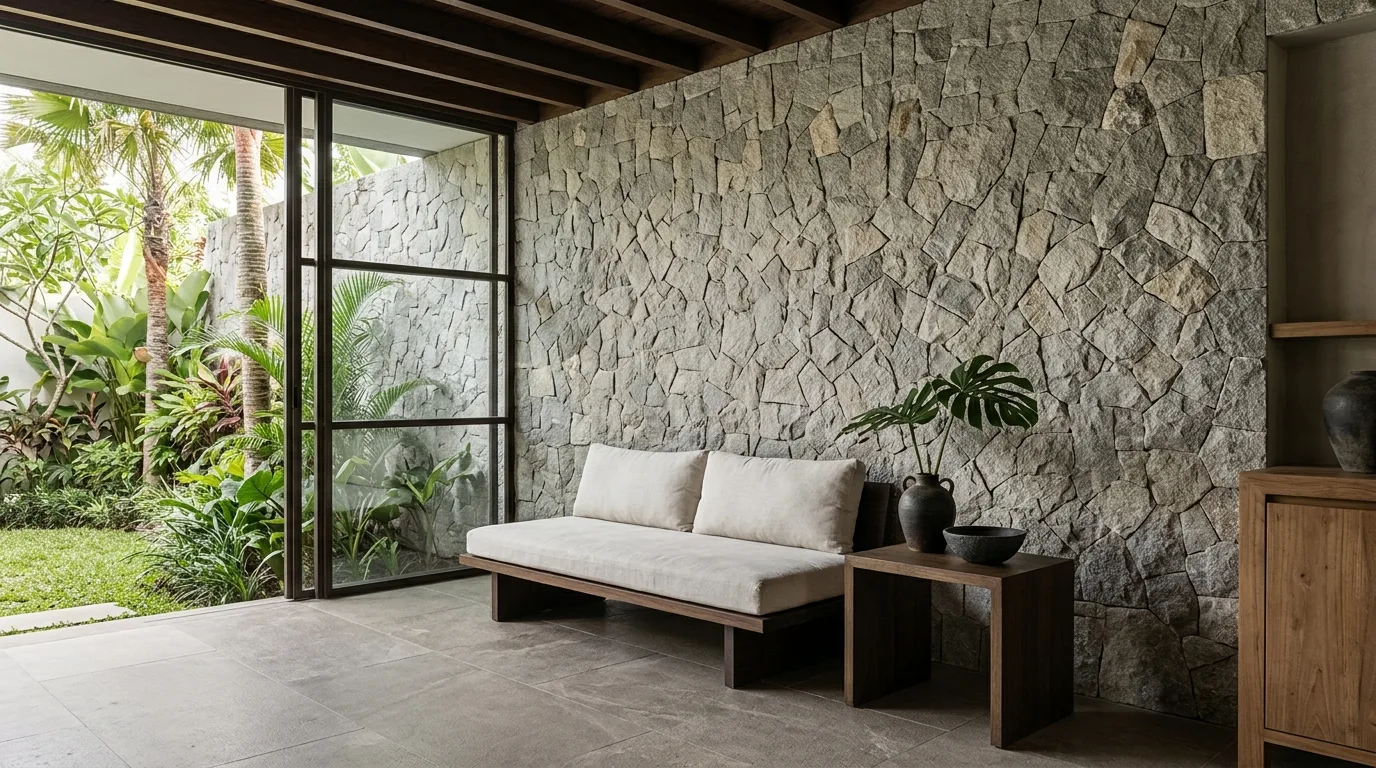
Natural stone mosaic can add rhythm, scale and texture, but it works best when the design has a defined role for it. It may frame a niche, accent a backsplash, define a shower zone or introduce detail on a feature wall. The primary question behind natural stone mosaic tile is therefore best answered through the actual project conditions, not through a generic material label.
Use mosaic with a clear purpose
Natural stone mosaic can add rhythm, scale and texture, but it works best when the design has a defined role for it. It may frame a niche, accent a backsplash, define a shower zone or introduce detail on a feature wall.
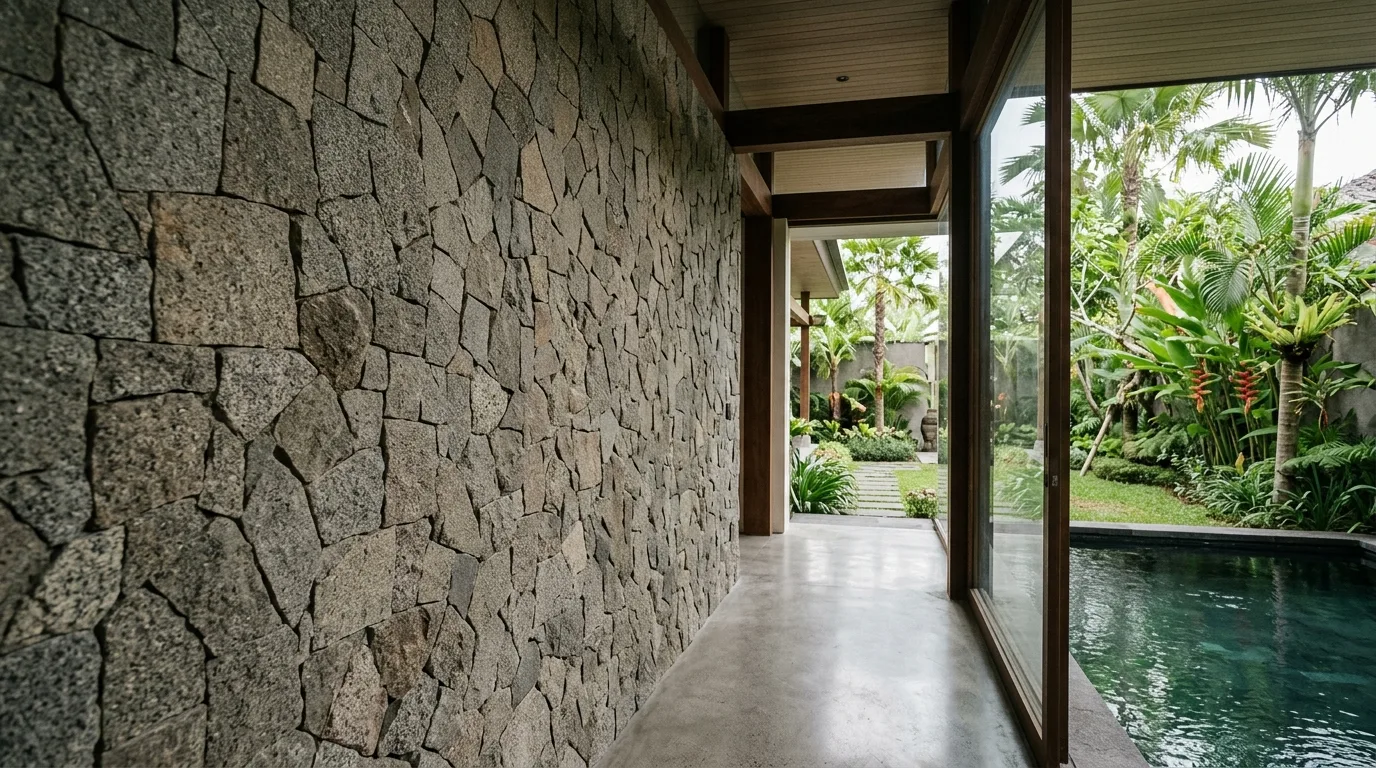
Choose the pattern deliberately
Running layouts, geometric patterns, random arrangements and modular sheets create different visual effects. The pattern should respond to the room rather than being selected only because it looks attractive in a product photograph.
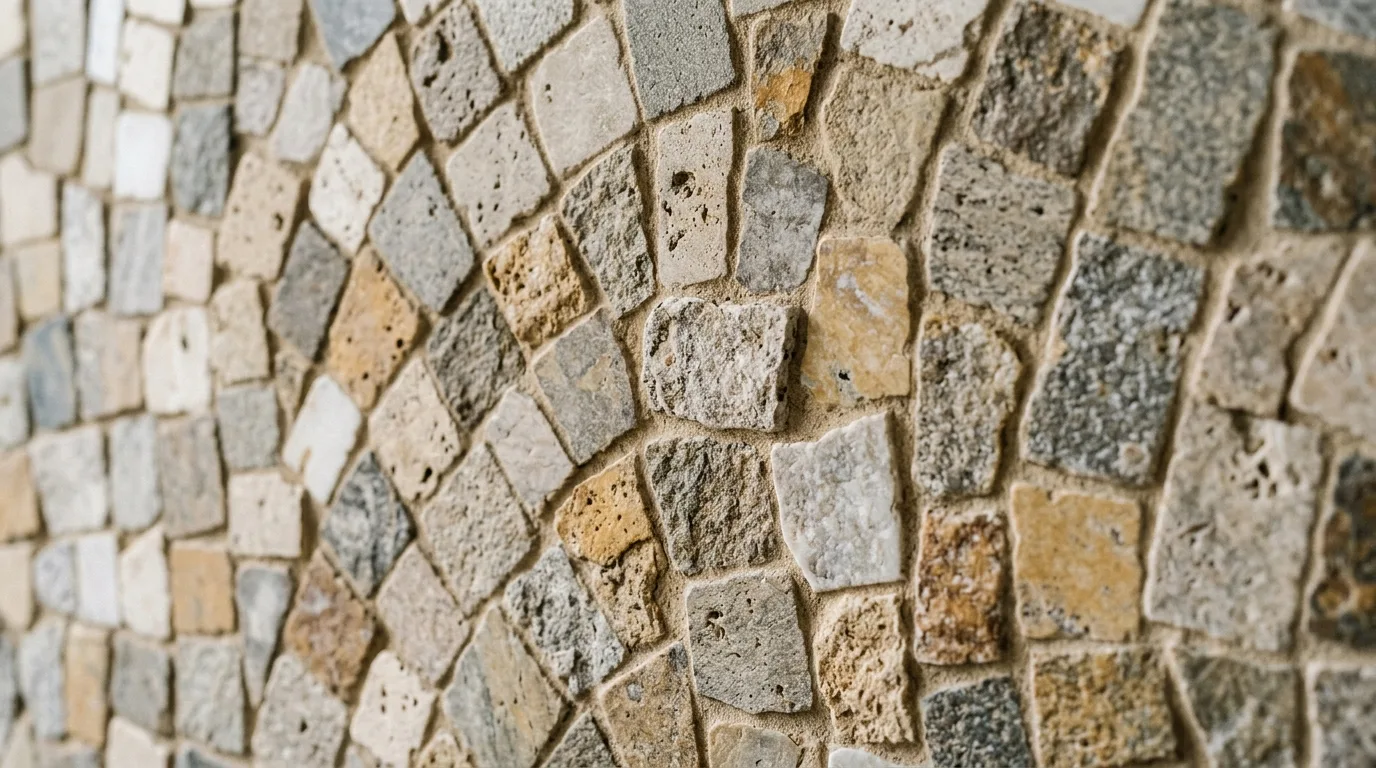
Sheet-mounted versus individually laid
Mosaic sheets can speed installation and provide consistent modules, while individually placed pieces can allow more control in custom compositions. Confirm how the product is supplied before planning the layout.
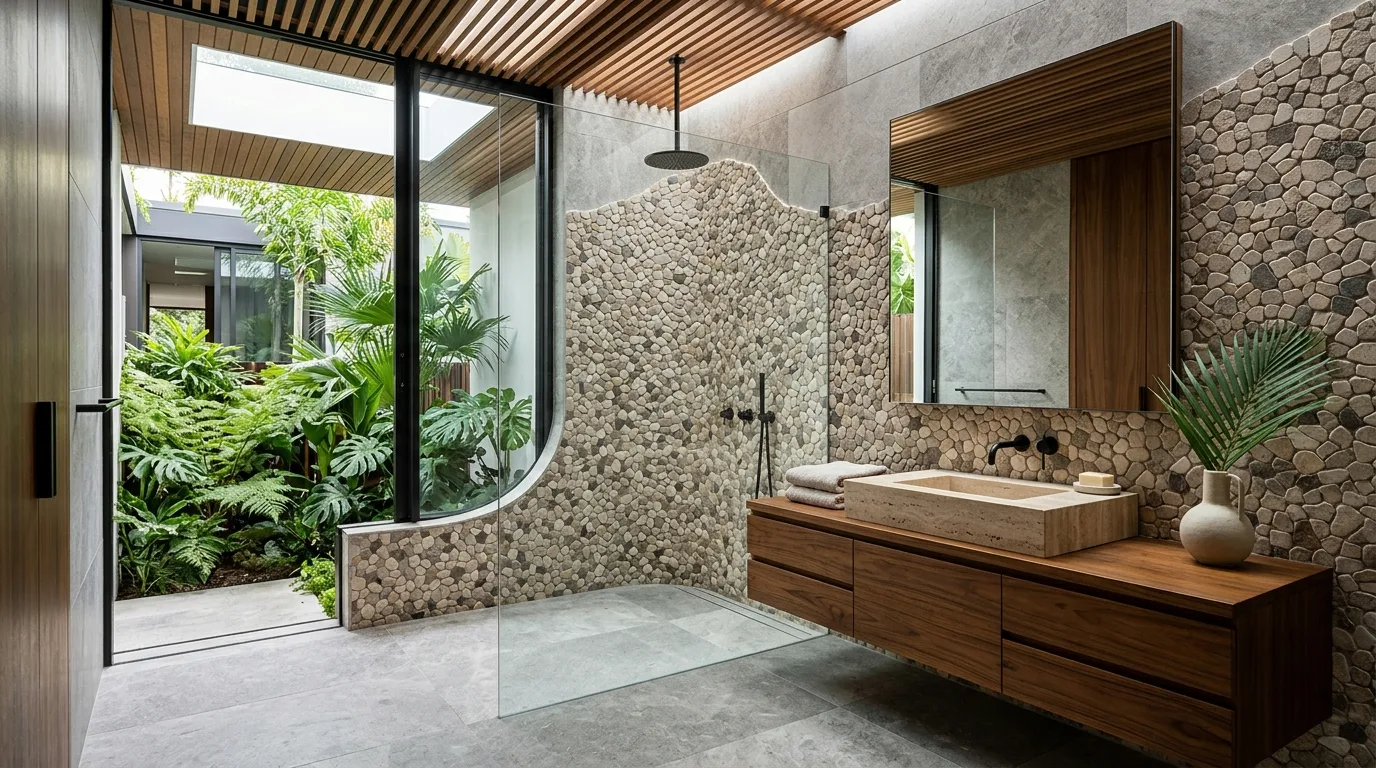
Keep surrounding materials quieter
Mosaic already creates visual information. Pairing it with simpler cabinetry, larger wall fields or restrained colors can keep the overall composition balanced.
Watch corners and edges
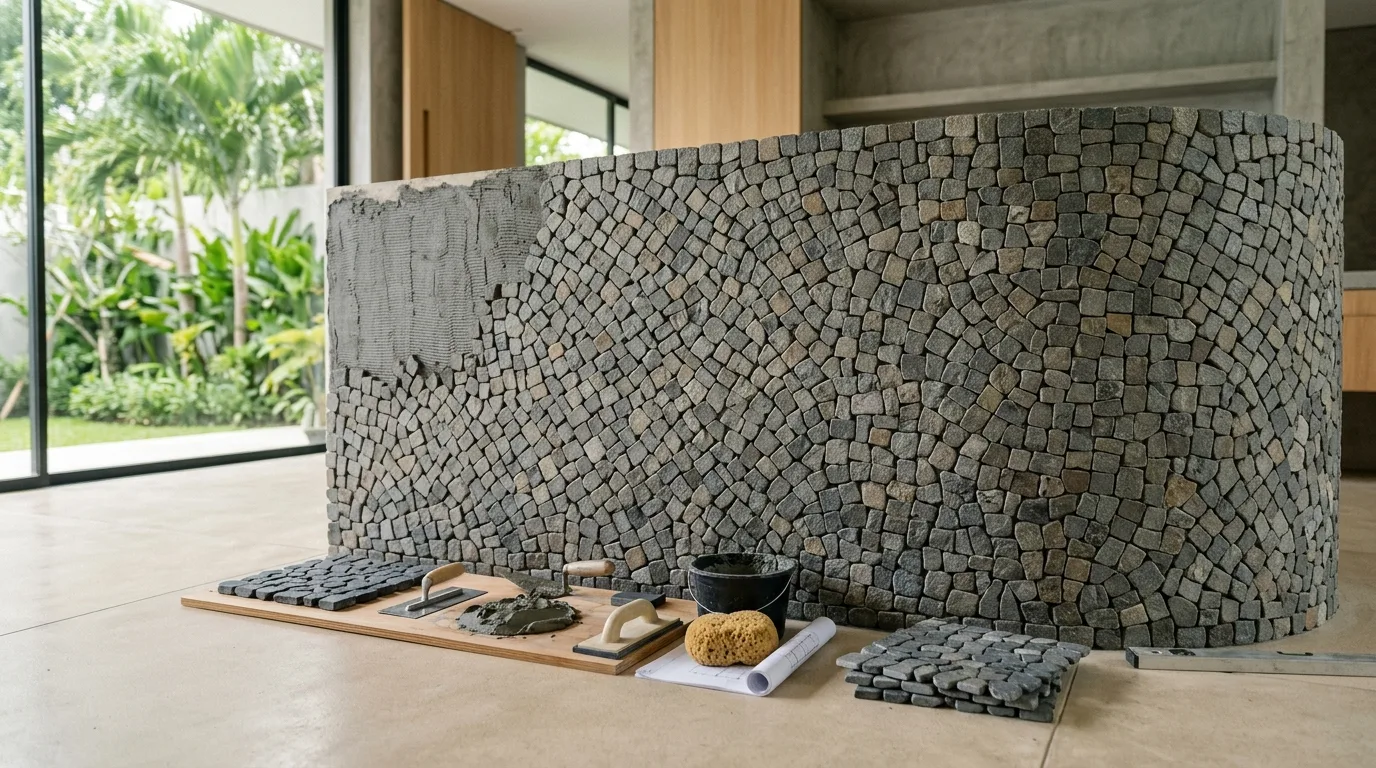
The perimeter of a mosaic field needs a finished detail. Plan where the pattern stops, turns a corner or meets another material.
Mosaic in wet areas
Showers and bathrooms require additional attention to drainage, joints, cleaning and the suitability of the stone and finish. The mosaic should be selected as part of the wet-area system.
Lighting reveals texture
Small stone pieces create many edges and shadows. Lighting can amplify that effect, so review a sample under the intended illumination.
Use it as a controlled accent
A successful mosaic does not need to cover every wall. A focused application can give the room texture while allowing the natural stone to remain legible.
A practical project checklist
- Mosaic purpose
- Pattern
- Sheet format
- Surrounding palette
- Edges
- Wet-area conditions
- Lighting
- Maintenance
Questions buyers and designers should ask
How can natural stone mosaic be used without making a room too busy? Give the mosaic a defined role, control the surrounding palette and resolve edges, joints and lighting.
Final takeaway
The most reliable approach to natural stone mosaic tile is to define the application, verify the actual material or finish, review a physical reference, and document the approved specification before production. Natural stone is a real material with variation, while manufactured alternatives and different finishing processes can behave differently. Clear information at the selection stage helps designers, buyers, suppliers and installers work from the same expectation.
For an international project, continue that clarity through packing, labeling and delivery documentation. Keep the approved sample, drawings and product information together so the delivered material can be checked against the intended scope. This is especially useful when a project is large, phased or being coordinated across different teams.
A good material decision is therefore not simply about choosing a stone that looks attractive. It is about choosing a product whose appearance, format, finish, installation requirements and maintenance expectations make sense for the place where it will be used.
The joint field is an important part of mosaic design. A small difference in joint width can change the apparent scale of the entire surface, so the installer should work from a clear layout and product module.
Mosaic also works well when it marks a transition. It can separate a shower zone, frame a vanity, define a backsplash or create a narrow decorative band. Using it selectively can provide detail while keeping the rest of the room calm.
Color variation should be reviewed across multiple mosaic pieces. A product that appears uniform in a photograph may show more natural movement when the sheets or individual pieces are placed together. This can be attractive when it is expected and distracting when it is not.
Procurement should confirm sheet dimensions, piece size, backing method, quantity and spare material. Keeping a few extra sheets or pieces can be useful for future repairs, particularly when a collection may change over time.
Mosaic design is strongest when the pattern is considered at the scale of the complete wall. A product photograph usually shows only a small section, while the real installation may contain hundreds of repeated pieces. Look at how the pattern behaves near corners, shelves, niches and openings. If the mosaic is sheet-mounted, check how sheet joints will appear. If pieces are individually laid, provide a clear installation reference. These details help ensure that the final surface reflects the intended composition rather than simply reproducing a product sample.
Mosaic design is strongest when the pattern is considered at the scale of the complete wall. A product photograph usually shows only a small section, while the real installation may contain hundreds of repeated pieces. Look at how the pattern behaves near corners, shelves, niches and openings. If the mosaic is sheet-mounted, check how sheet joints will appear. If pieces are individually laid, provide a clear installation reference. These details help ensure that the final surface reflects the intended composition rather than simply reproducing a product sample.
Because mosaic contains many individual pieces, natural variation can become visually distributed rather than concentrated. This can be useful for creating a lively surface, but the project should still define the expected range. For a premium installation, review a representative assembled section before mass installation. The mock-up can establish pattern density, grout color, edge treatment and overall tone. It also gives the installer a physical reference that is easier to follow than written instructions alone.
Because mosaic contains many individual pieces, natural variation can become visually distributed rather than concentrated. This can be useful for creating a lively surface, but the project should still define the expected range. For a premium installation, review a representative assembled section before mass installation. The mock-up can establish pattern density, grout color, edge treatment and overall tone. It also gives the installer a physical reference that is easier to follow than written instructions alone.
Because mosaic contains many individual pieces, natural variation can become visually distributed rather than concentrated. This can be useful for creating a lively surface, but the project should still define the expected range. For a premium installation, review a representative assembled section before mass installation. The mock-up can establish pattern density, grout color, edge treatment and overall tone. It also gives the installer a physical reference that is easier to follow than written instructions alone.
Keeping the project reference clear
Once the material decision is made, keep the approved reference connected to every later stage. Record the exact product, finish, format, sample and intended application, then share that information with the people responsible for purchasing, production, inspection and installation. For natural stone mosaic tile, this simple documentation step helps prevent a design decision from becoming distorted as the project moves from concept to quotation and finally to the finished site.
It is also useful to keep photographs of approved samples and completed installations. They can support future repairs, additional phases and quality discussions. Natural materials should be judged against realistic expectations of variation, while manufactured products should be identified by their exact product references. Clear records make both approaches easier to manage.