
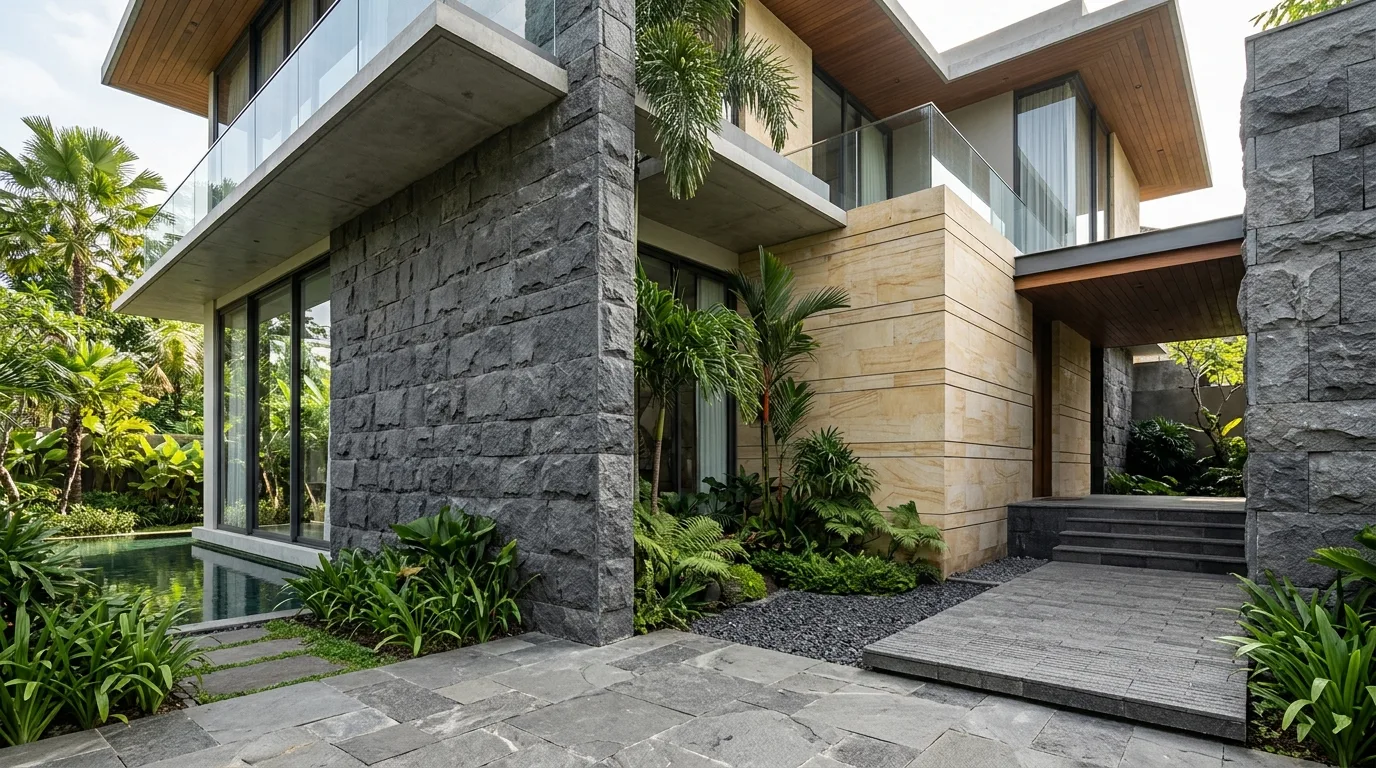
A natural stone finish changes how light interacts with the surface, how texture is perceived and how the material feels visually. Finish should therefore be treated as a design decision rather than a final processing detail. The primary question behind natural stone finishes is therefore best answered through the actual project conditions, not through a generic material label.
What a finish changes
A natural stone finish changes how light interacts with the surface, how texture is perceived and how the material feels visually. Finish should therefore be treated as a design decision rather than a final processing detail.
Common finish families
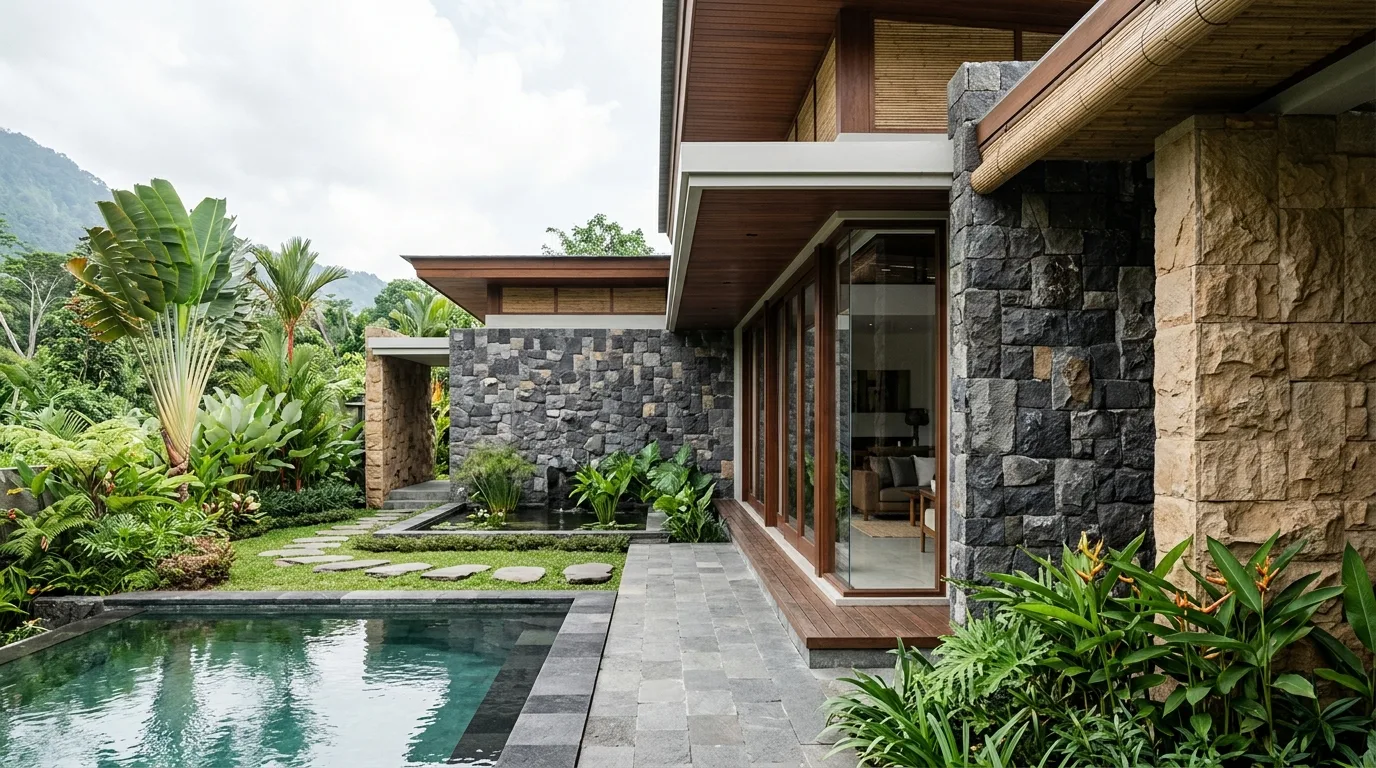
Projects may encounter polished, honed, brushed, flamed, sandblasted, tumbled, natural or other product-specific finishes. Terminology can vary by supplier and stone, so confirm exactly what the proposed finish looks like on the selected material.
Match finish to location
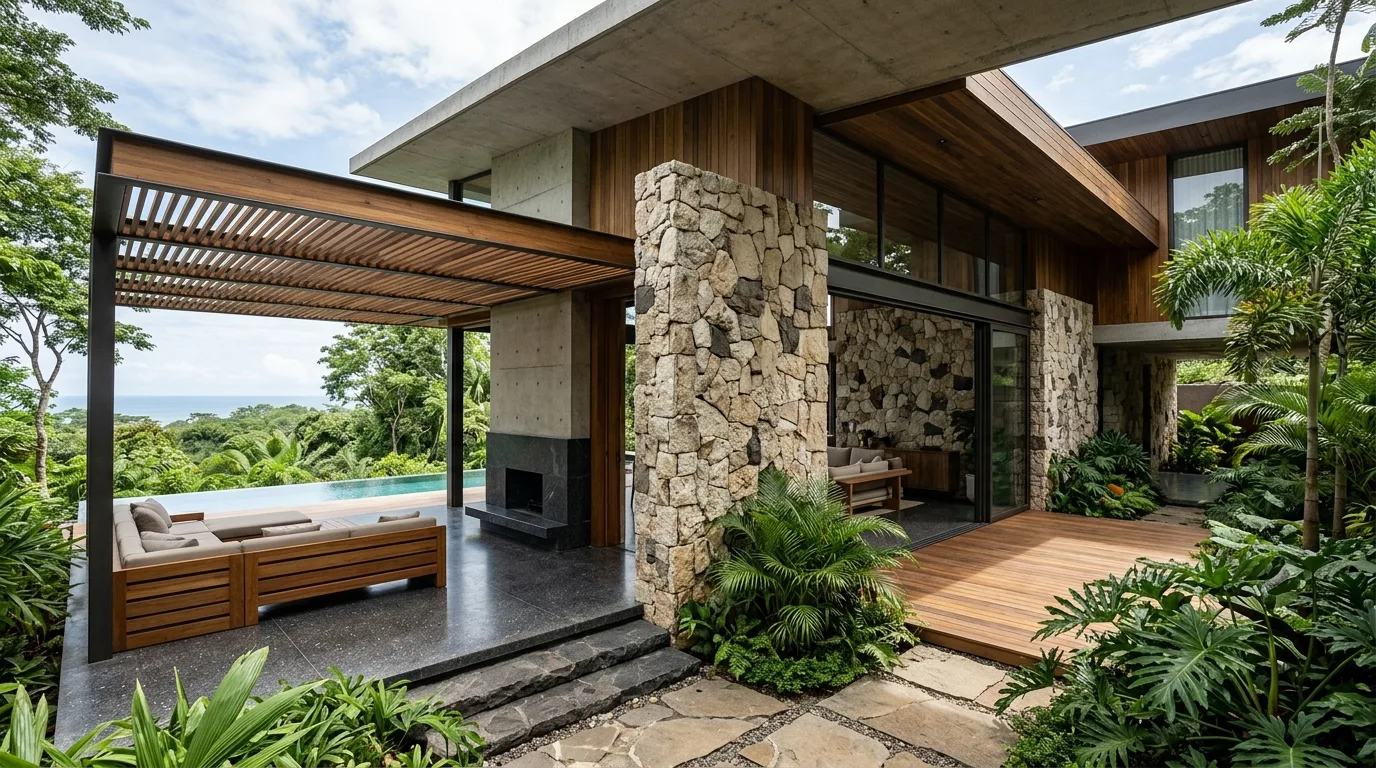
Interior walls, floors, outdoor paving, wet areas and feature surfaces may require different considerations. Traffic, water, cleaning and the desired appearance should guide the choice.
Finish and color
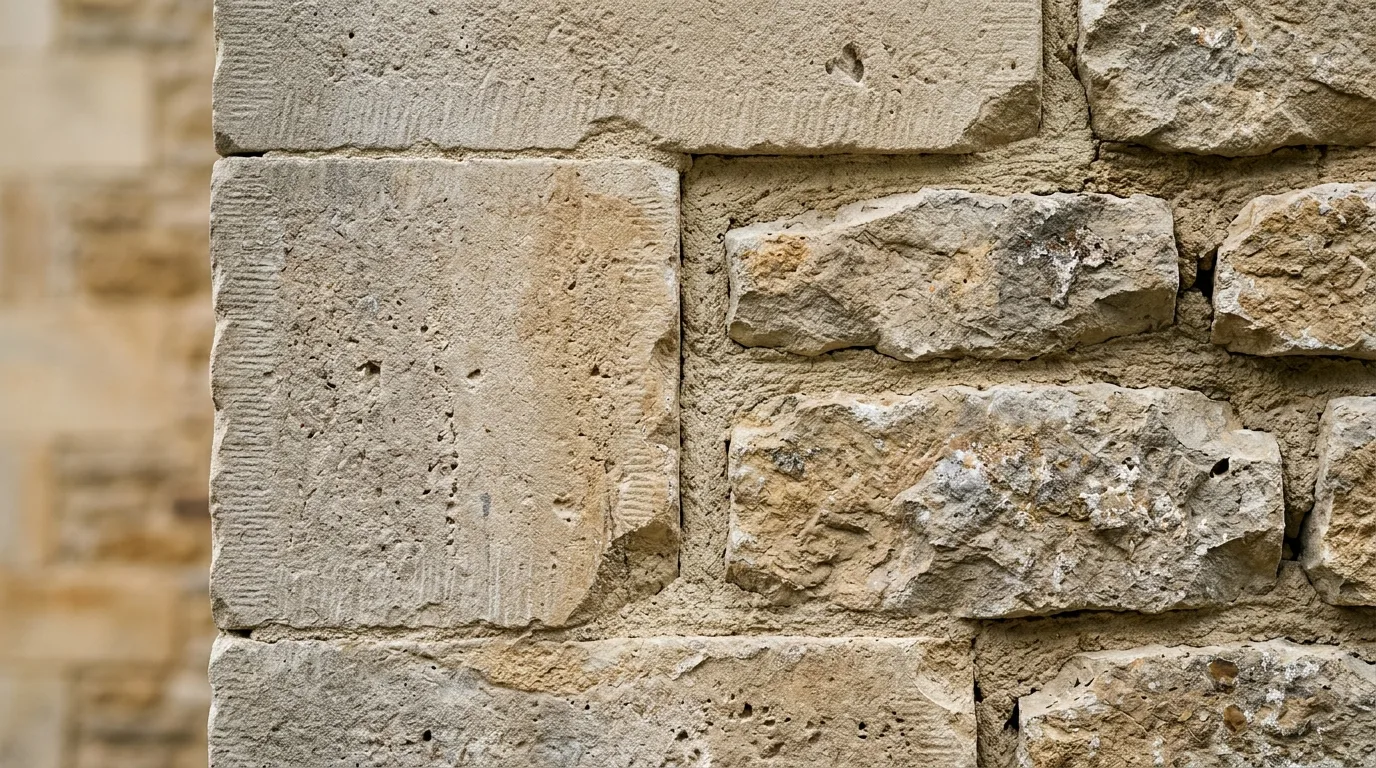
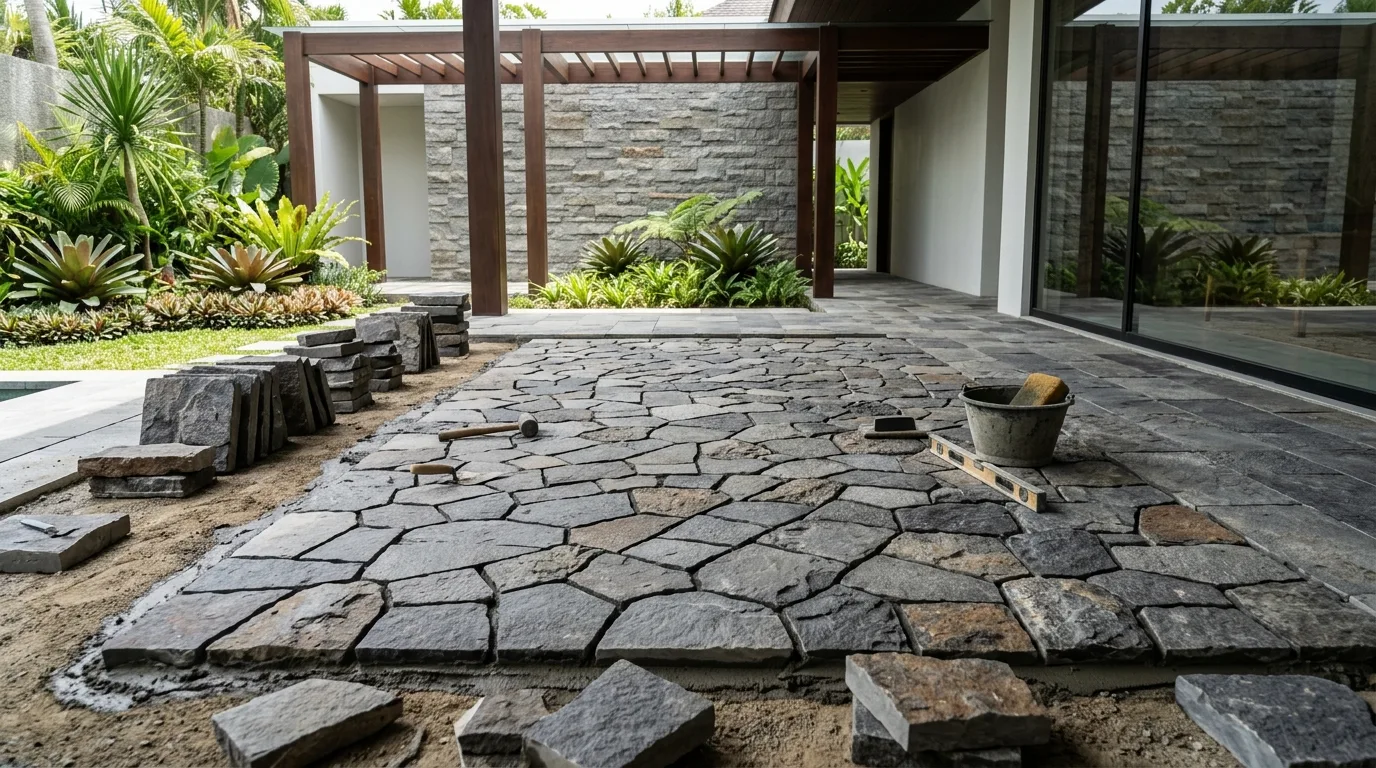
The same stone can appear lighter, deeper, softer or more textured after finishing. Review samples of the actual finished product rather than selecting a finish from a generic description.
Finish and maintenance
Surface treatment can influence cleaning and care. Ask for stone-specific maintenance guidance and confirm any sealing recommendations with the responsible supplier or installer.
Finish as part of the architecture
A quiet finish can let color and grain dominate, while a textured finish can emphasize shadow and relief. Designers can use this difference to create hierarchy between surfaces.
Specify it clearly
Record the exact finish in the specification, sample approval and purchase order. If appearance is critical, include a physical reference or mock-up requirement.
Review before production
The safest workflow is to approve the actual material and finish before mass fabrication. This reduces the chance of receiving a technically correct product that does not match the intended architectural character.
A practical project checklist
Application
Finish terminology
Sample
Lighting
Maintenance
Joint treatment
Approved reference
Production check
Questions buyers and designers should ask
Why does the finish matter when selecting natural stone? It changes light reflection, texture, appearance and potentially the maintenance routine, so it is part of the design specification.
Final takeaway
The most reliable approach to natural stone finishes is to define the application, verify the actual material or finish, review a physical reference, and document the approved specification before production. Natural stone is a real material with variation, while manufactured alternatives and different finishing processes can behave differently. Clear information at the selection stage helps designers, buyers, suppliers and installers work from the same expectation.
Keeping the project reference clear
Once the material decision is made, keep the approved reference connected to every later stage. Record the exact product, finish, format, sample and intended application, then share that information with the people responsible for purchasing, production, inspection and installation. For natural stone finishes, this simple documentation step helps prevent a design decision from becoming distorted as the project moves from concept to quotation and finally to the finished site.
It is also useful to keep photographs of approved samples and completed installations. They can support future repairs, additional phases and quality discussions. Natural materials should be judged against realistic expectations of variation, while manufactured products should be identified by their exact product references. Clear records make both approaches easier to manage.