
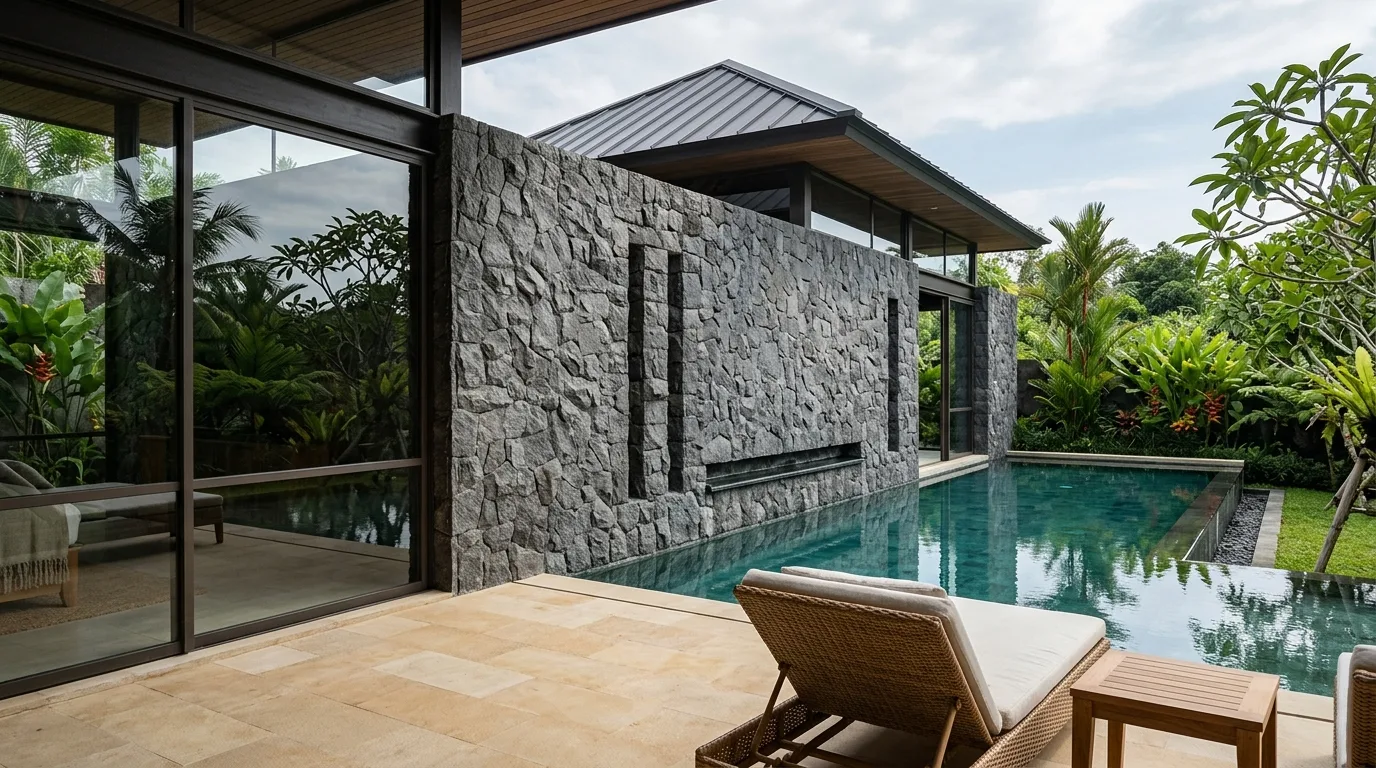
Natural stone remains useful in architecture because it combines a strong visual presence with a wide range of possible formats, finishes and applications. Its variation can give a project depth, while its ability to be cut and finished in different ways allows the same broad material category to support very different design languages.
Visual variation creates depth
Natural stone is not a flat printed pattern. Mineral structure, grain, pores and changes in tone can create subtle variation that gives walls and floors a sense of depth. Designers can use this variation as part of the visual language.
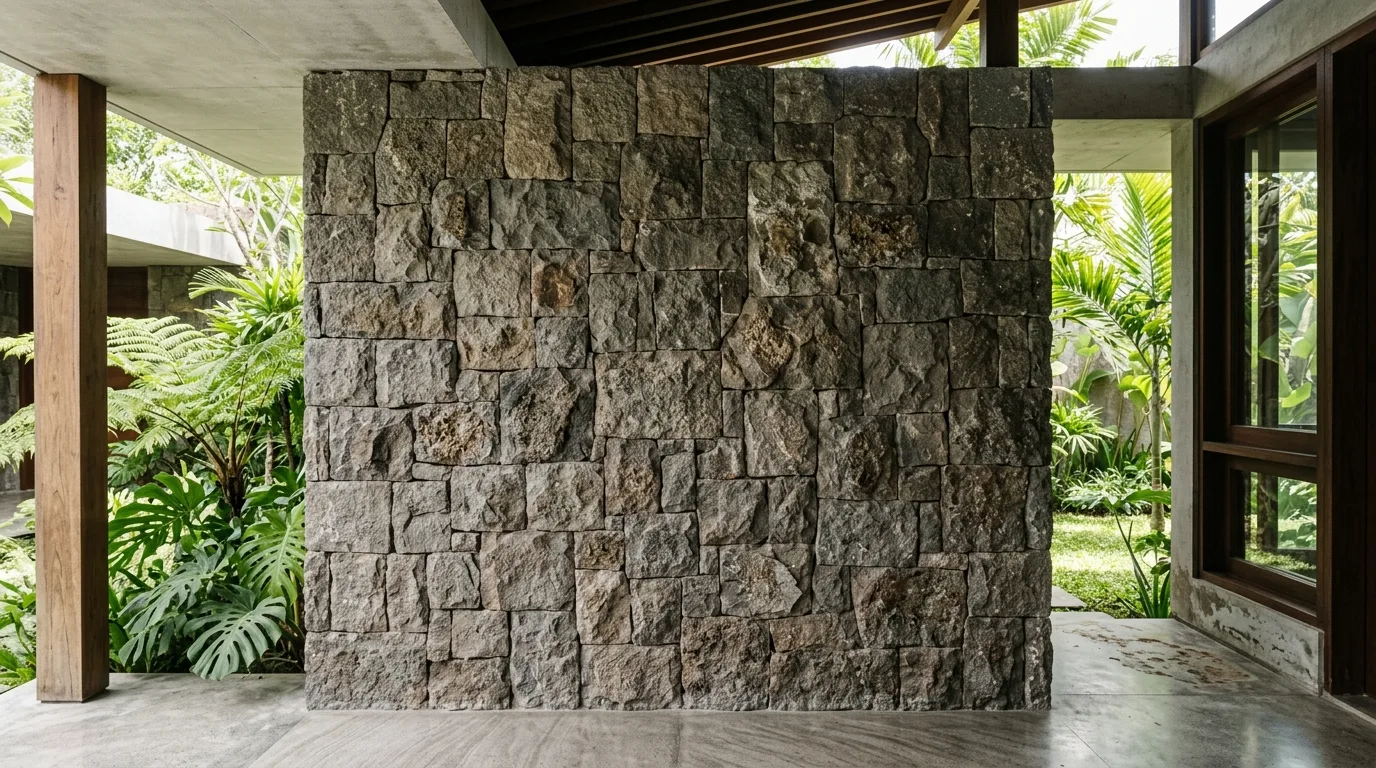
Many formats, one material family
Stone can be supplied as tiles, slabs, cut pieces, blocks, paving units or smaller elements depending on the product. This allows a project to use related material at different scales.
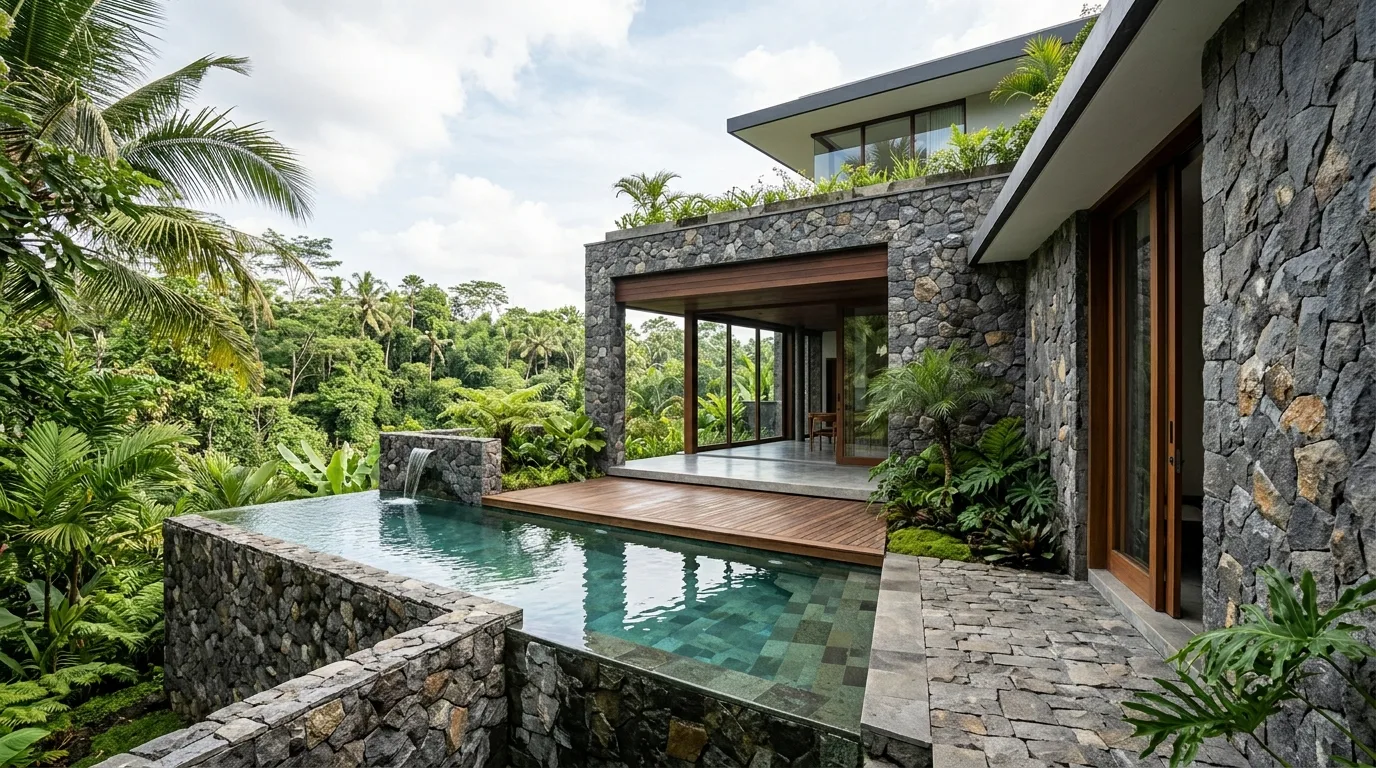
A broad range of applications
Natural stone can appear in interiors, exteriors, pools, gardens, facades, walls, floors and architectural features. The right choice depends on the specific stone, finish and installation conditions.
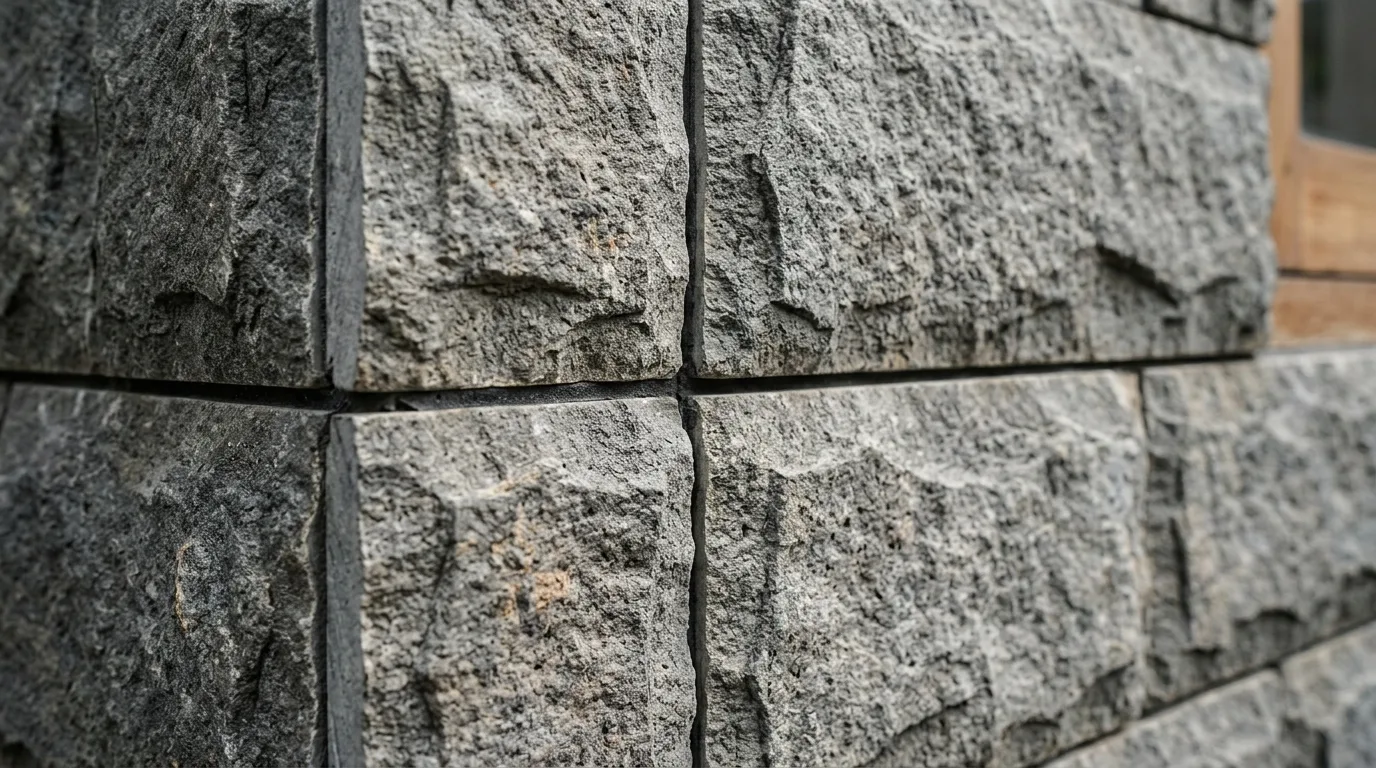
Tactile character
Texture changes how a surface catches light and how people perceive it at close range. Rougher finishes can emphasize an outdoor or rustic character, while smoother finishes can support quieter interiors.
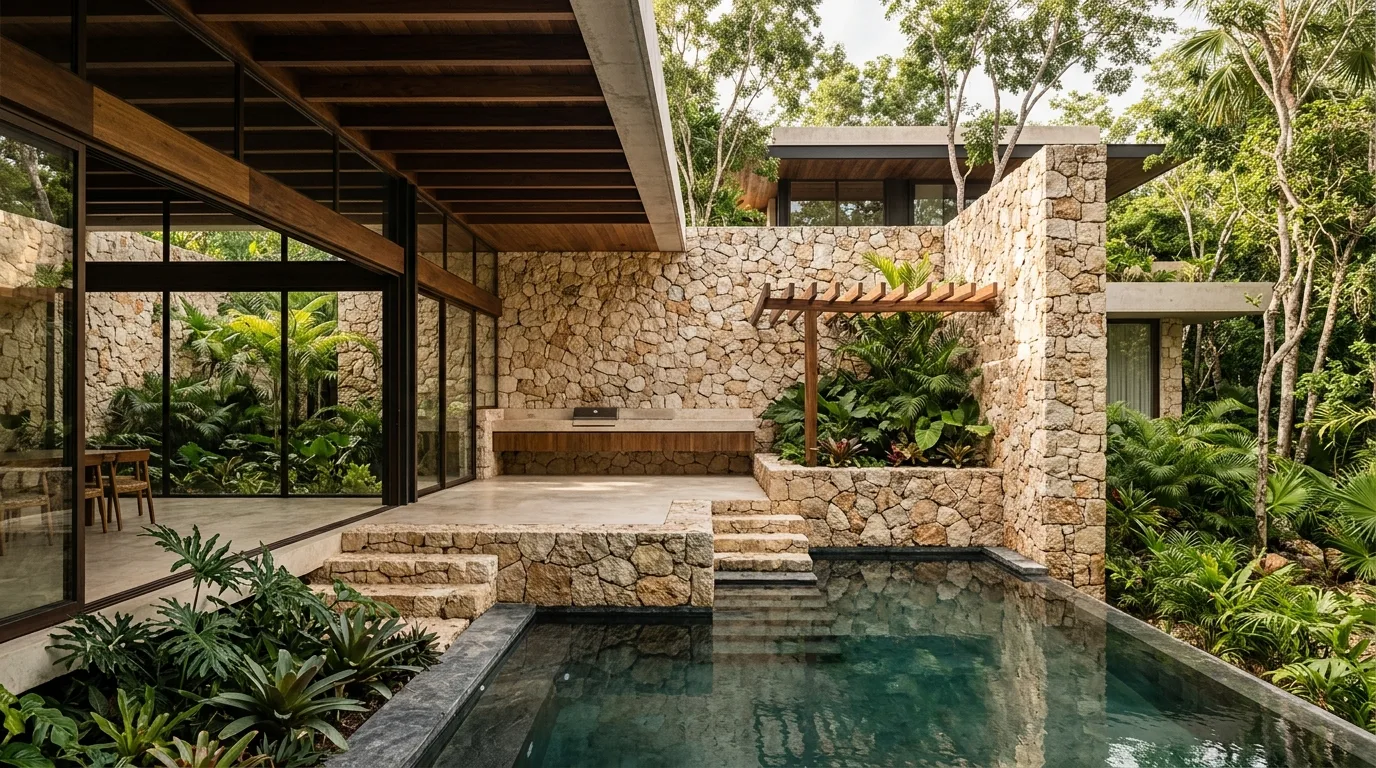
Material continuity
Using related stone in multiple areas can connect rooms and landscape spaces. Continuity does not require identical pieces; color, texture and proportion can provide the relationship.
Potential for repair and replacement
Individual stone units can sometimes be replaced when a surface is damaged, depending on the application and installation method. Keeping spare material and specification records can make future maintenance easier.
Natural character needs realistic expectations
Variation is part of the material. A project should define acceptable characteristics rather than expecting every piece to look identical. Physical samples and mock-ups help establish that range.
Useful when specified carefully
The value of natural stone comes from the combination of material character, application, fabrication and installation. Clear specifications allow architects, contractors and suppliers to turn that potential into a finished surface that fits the project.
Key points to include in the project brief
- Characteristic: Variation — Adds visual depth.
- Characteristic: Formats — Supports different scales.
- Characteristic: Application range — Works across many architectural contexts.
- Characteristic: Maintenance — Requires material-specific care.
Questions to answer before ordering
What are practical benefits of using natural stone in architecture? Visual variation, format flexibility, broad application range, tactile character and potential long service use can all be useful, depending on the project.
Final takeaway
The right way to approach benefits of natural stone is to connect design intent with a specific application and a clear specification. Natural stone is a variable material, so samples, dimensions, finish, installation details and maintenance expectations should be agreed before production. For project sourcing, the same clarity should continue through quality control, packing and delivery.
Design flexibility is practical value
Natural stone can be cut into different sizes and used in floors, walls, steps, counters, landscape elements and feature surfaces. This flexibility allows designers to adapt the material to different architectural scales.
Variation can be part of the specification
Instead of trying to eliminate all variation, define the characteristics that are acceptable. A sample, mock-up or approved reference can help establish expectations for color and texture.
The material can connect architecture and landscape
Using related stone inside and outside can create visual continuity. The technical specification may change by application, but a shared material family can make the building feel more connected to its site.
Good installation protects the design intent
The final result depends on substrate preparation, layout, joints, edges, drainage and maintenance as much as on the stone itself. Careful detailing turns a material selection into a finished architectural surface.
There is also a practical benefit in having a material that can be specified in different visual registers. The same broad family of natural stone can support a quiet minimalist interior, a textured tropical landscape or a more formal civic entrance when the format and finish change. That flexibility helps designers maintain a coherent material language while responding to different rooms and site conditions. It is the combination of stone selection, fabrication and detailing—not the material name alone—that creates the final architectural result.
There is also a practical benefit in having a material that can be specified in different visual registers. The same broad family of natural stone can support a quiet minimalist interior, a textured tropical landscape or a more formal civic entrance when the format and finish change. That flexibility helps designers maintain a coherent material language while responding to different rooms and site conditions. It is the combination of stone selection, fabrication and detailing—not the material name alone—that creates the final architectural result.
There is also a practical benefit in having a material that can be specified in different visual registers. The same broad family of natural stone can support a quiet minimalist interior, a textured tropical landscape or a more formal civic entrance when the format and finish change. That flexibility helps designers maintain a coherent material language while responding to different rooms and site conditions. It is the combination of stone selection, fabrication and detailing—not the material name alone—that creates the final architectural result.
There is also a practical benefit in having a material that can be specified in different visual registers. The same broad family of natural stone can support a quiet minimalist interior, a textured tropical landscape or a more formal civic entrance when the format and finish change. That flexibility helps designers maintain a coherent material language while responding to different rooms and site conditions. It is the combination of stone selection, fabrication and detailing—not the material name alone—that creates the final architectural result.
There is also a practical benefit in having a material that can be specified in different visual registers. The same broad family of natural stone can support a quiet minimalist interior, a textured tropical landscape or a more formal civic entrance when the format and finish change. That flexibility helps designers maintain a coherent material language while responding to different rooms and site conditions. It is the combination of stone selection, fabrication and detailing—not the material name alone—that creates the final architectural result.
Before the specification is finalized
Ultimately, natural stone is most useful when its inherent character is matched with the right application. A beautiful material can still be unsuitable for a particular location if its finish, format or maintenance requirements are ignored. Clear project criteria turn a broad material category into a practical architectural specification.
For project teams, this final review is a useful moment to confirm the approved sample, dimensions, finish, quantity, installation area and delivery assumptions. Keeping those decisions together gives the supplier, designer and contractor the same reference and makes later changes easier to track.
The architectural benefit of natural stone is therefore contextual rather than universal. A project gains value when the stone's visual and physical characteristics answer a real design requirement. Clear application criteria, samples and detailing help ensure that the material is used intentionally rather than simply added as decoration.
Carefully.