
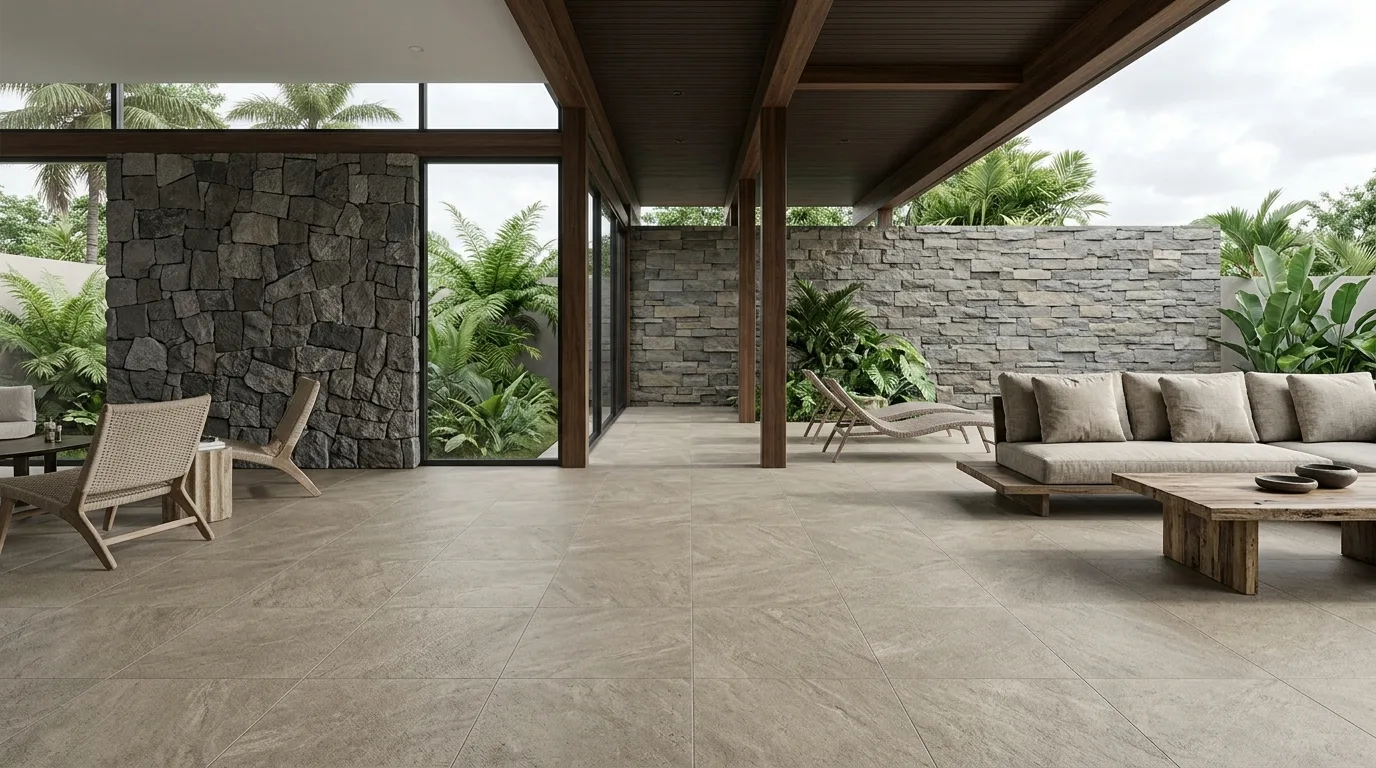
Choosing or understanding is ceramic tile a natural stone becomes much easier when the material is considered in its actual architectural context. The right question is rarely just whether a stone looks attractive; it is how the material behaves, is produced, installed, maintained and supplied for the intended project.
Ceramic tile and natural stone have different origins
Ceramic tile is manufactured by forming and firing a prepared ceramic body. Natural stone is quarried from geological formations and processed into usable pieces. That difference is enough to separate the two material categories even when their finished appearances overlap.
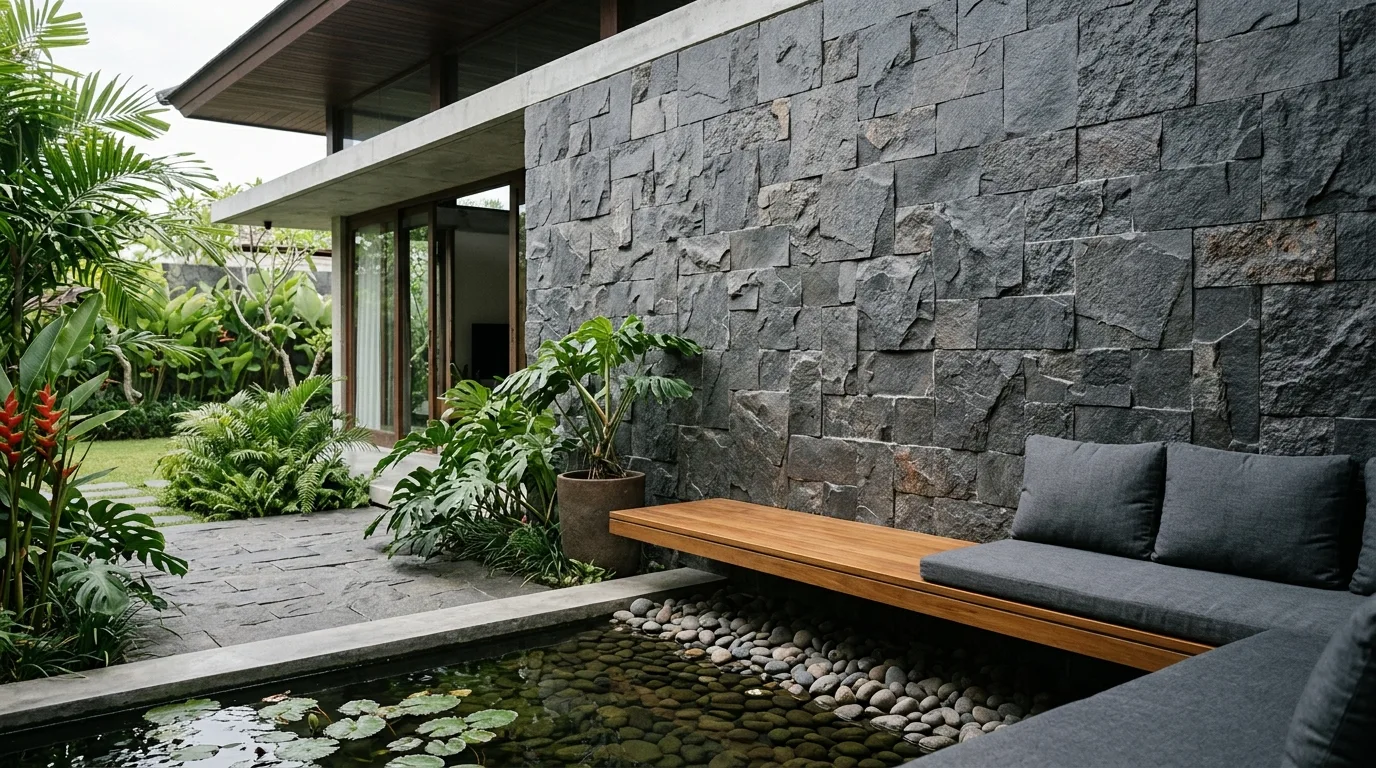
Why the terms are sometimes mixed
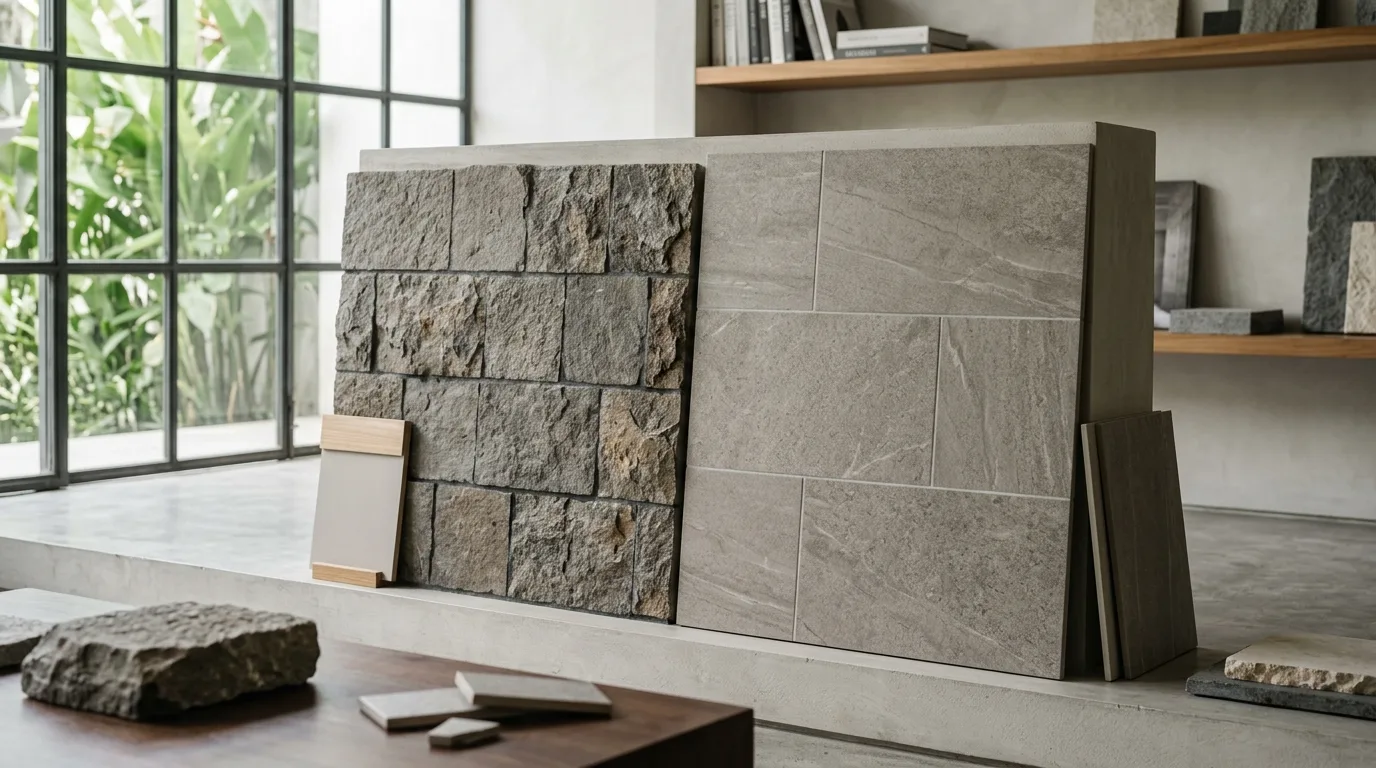
Many ceramic products are designed to imitate natural stone. Product photography, especially in small samples, can make the distinction difficult to see. Commercial conversations may also shorten descriptions to words such as stone tile. For procurement, however, the exact product category should remain clear.
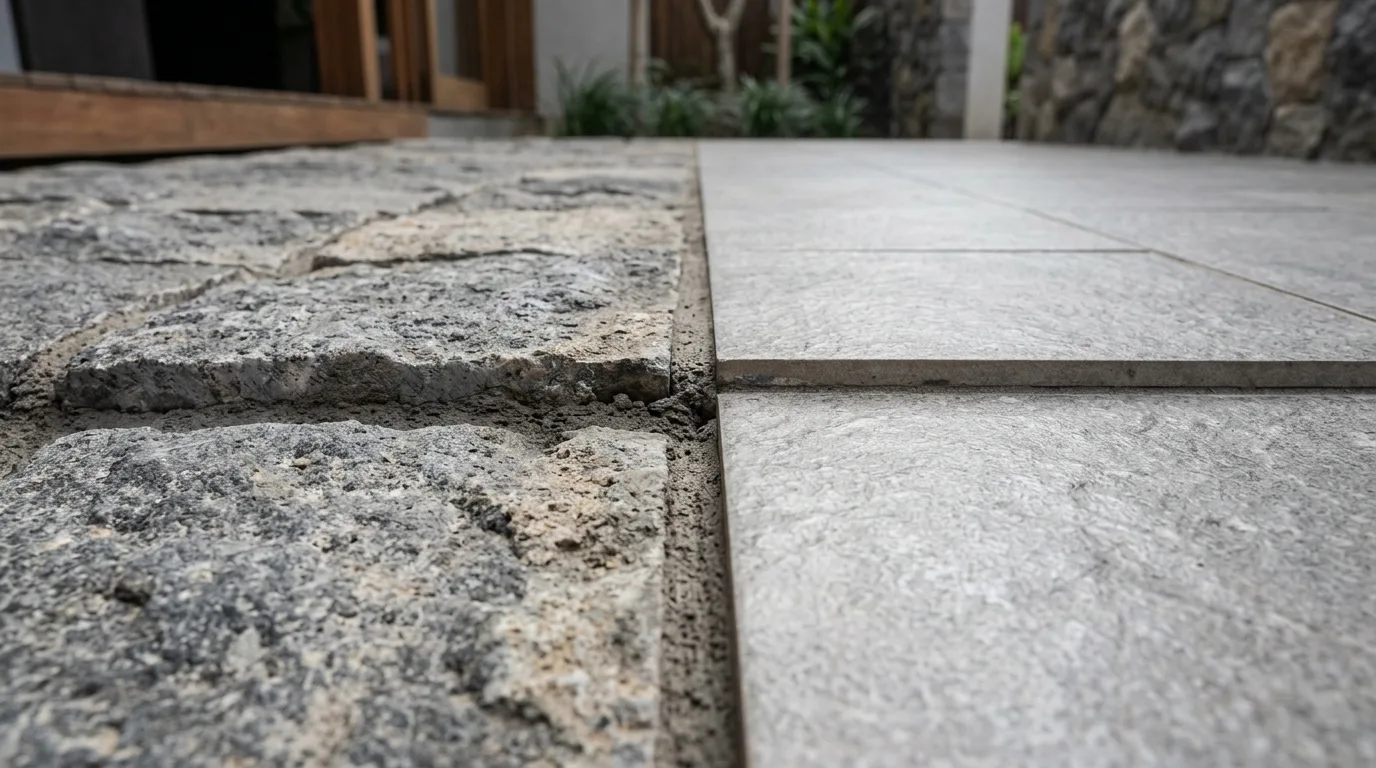
Appearance versus material identity
A tile can have the visual character of limestone, marble or slate without being made from those stones. Conversely, a natural stone tile retains the geological characteristics of the quarried material. Color, pattern and texture should therefore be assessed separately from the question of material origin.
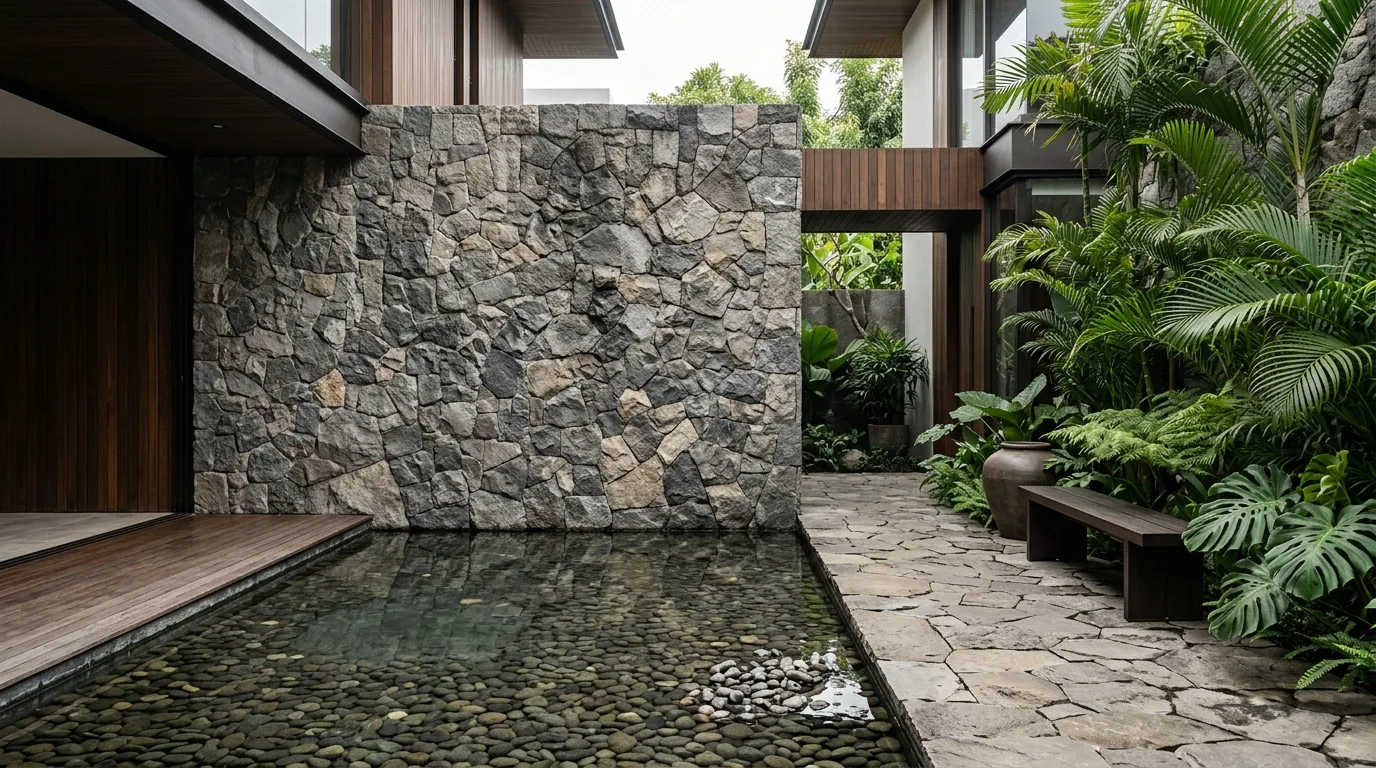
Where both products are used
Ceramic tile and natural stone can both be considered for floors, walls, backsplashes, bathrooms and other architectural surfaces. The suitability of a particular product depends on its specifications and the conditions of the installation rather than the category name alone.
Maintenance and installation are product-specific
Do not assume that every ceramic tile or every natural stone has the same care routine. Natural stone can require material-specific cleaning or sealing guidance, while ceramic installations still depend on grout and the underlying system. Always follow the actual product information.
How to specify clearly
A project document should identify the material category, exact product, format, thickness, finish, application and approved sample. This avoids confusion between natural stone, stone-look ceramic tile and other manufactured surfaces.
Project questions to resolve
Material category
Product documentation
Visual sample
Application
Installation system
Care requirements
What to confirm before the final decision
For designers and buyers, the simplest safeguard is to request the technical product sheet and an actual sample. This establishes what the material is before the project invests in fabrication, installation and long-distance shipping.
For is ceramic tile a natural stone, keep the approved product information together with the drawings, sample and purchase documentation. This creates a common reference for designers, buyers, production teams and installers. It is especially useful when a project is delivered in stages or when the material travels internationally.
Final takeaway
The most reliable approach is to evaluate the actual product against the actual application. Review the material's appearance, format, finish, fabrication requirements, installation conditions, maintenance expectations and supply logistics before committing to the order. Natural stone decisions become clearer when the project team replaces vague labels with specific, documented requirements.
Another useful consideration is the relationship between the selected material and the people who will work with it. Designers need a clear visual reference, procurement teams need an exact product description, production teams need measurable dimensions, and installers need a practical layout. Keeping those needs connected prevents the material from being reinterpreted at each stage.
Before the final order, review the selected is ceramic tile a natural stone in the context of the complete project palette and construction sequence. Confirm that the intended appearance can be reproduced with the available product, that the required quantity can be supplied, and that the approved reference remains attached to the order. This is a simple step, but it becomes increasingly valuable as project size and distance between teams increase.
Project documentation should also record the final application, format, finish and approved material reference for is ceramic tile a natural stone. If the order is repeated later, these records provide a starting point for checking availability and maintaining continuity without relying on memory or an old product photograph.