

Choosing or understanding natural stone supplier becomes much easier when the material is considered in its actual architectural context. The right question is rarely just whether a stone looks attractive; it is how the material behaves, is produced, installed, maintained and supplied for the intended project.
Start with product capability
An international natural stone supplier should be able to explain what materials, formats, finishes and quantities it can realistically provide. Ask for product information rather than relying only on a broad catalog.

Evaluate communication
Clear communication is especially important when buyer and supplier are in different countries. The supplier should be able to discuss samples, drawings, dimensions, production status, packing and shipping documentation in a way the project team can follow.

Ask about sampling and approval
A supplier should have a practical process for confirming material appearance before a large order. Ask how samples are prepared, how variation is handled and what reference is used during production.
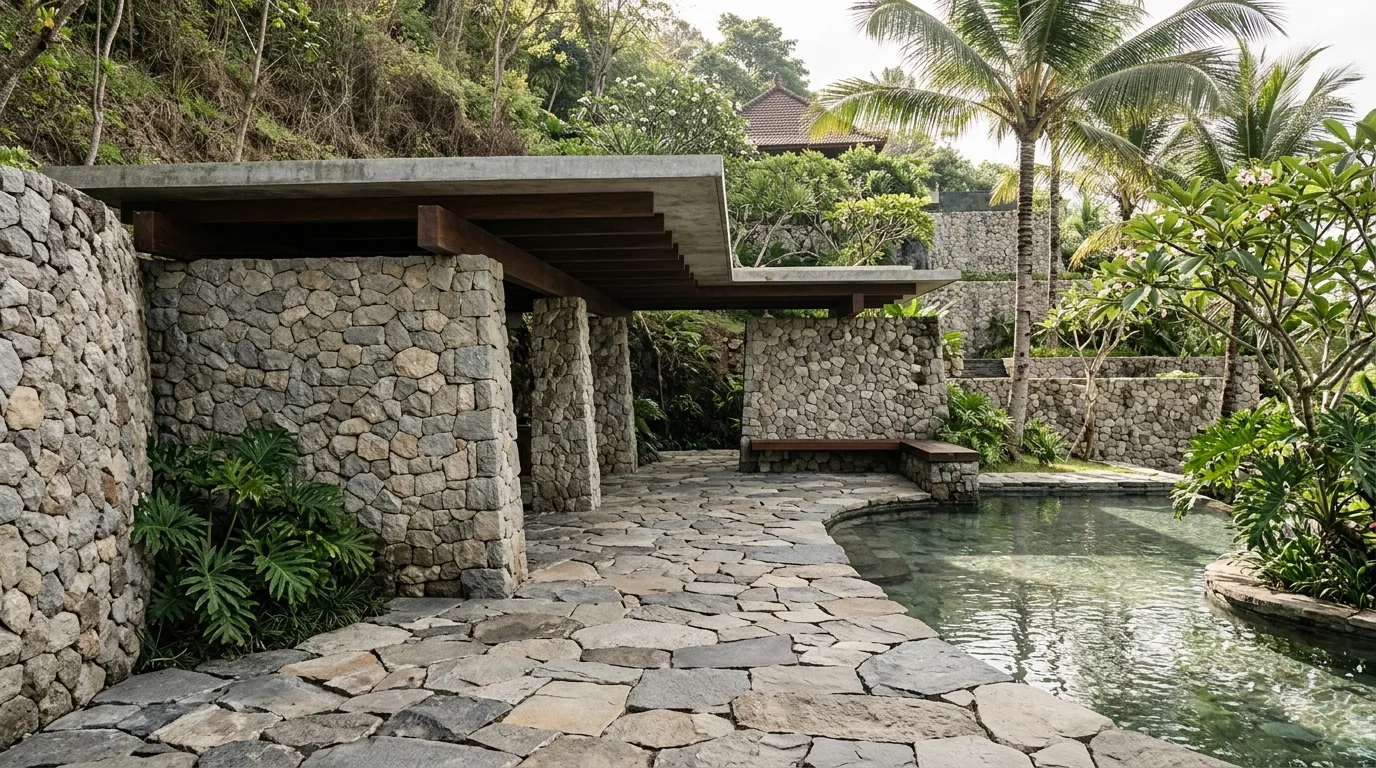
Review production and quality control
Understand how the supplier checks dimensions, finish, appearance and packing before shipment. The exact inspection process will vary, but buyers should know which stages are available for their project.
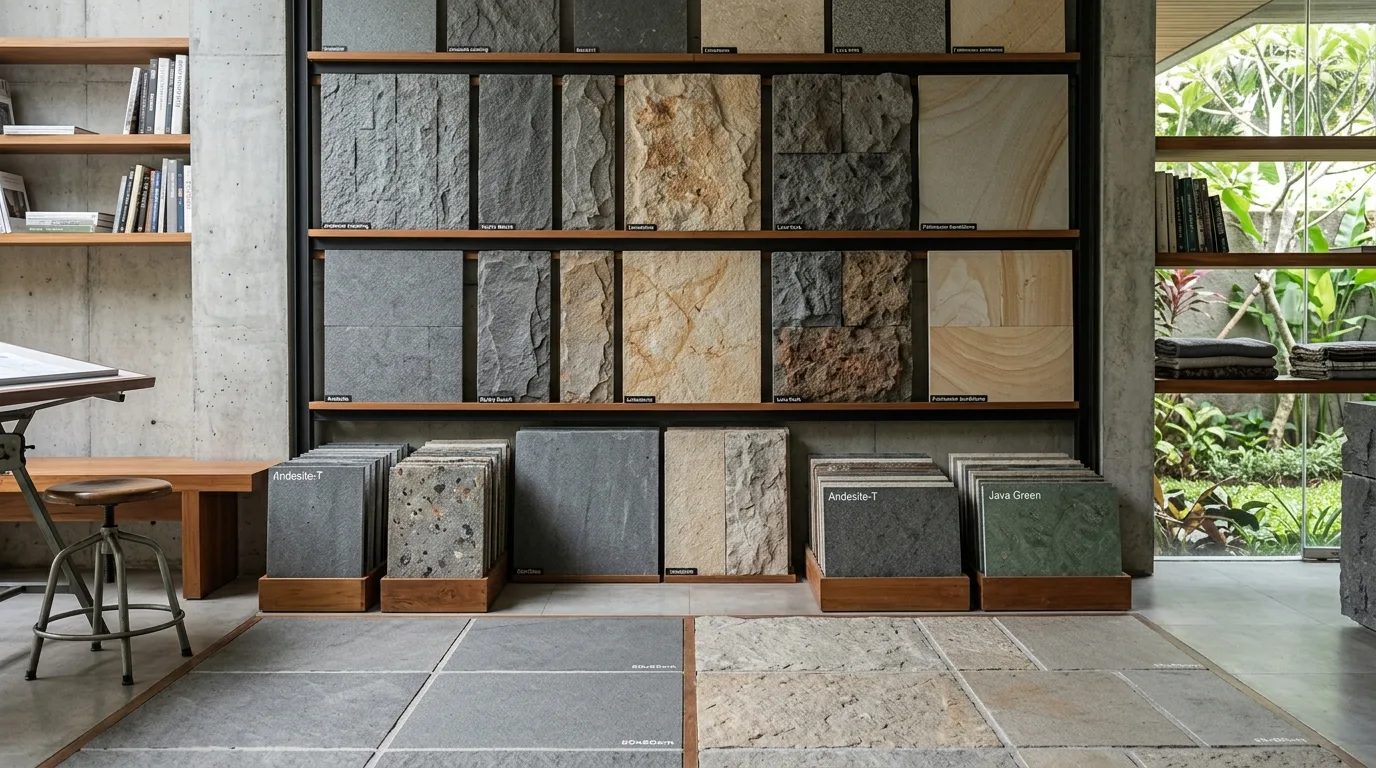
Check export readiness
For an international project, clarify packing, labeling, container loading, commercial documentation and delivery responsibilities. These details can be as important to a project schedule as the stone itself.
Compare suppliers on the same brief
Send the same material specification, quantity, dimensions and delivery requirement to each candidate. This creates a more useful comparison than asking several suppliers for a generic price list.
Project questions to resolve
- Product capability
- Communication
- Samples
- Quality control
- Export readiness
- Quotation scope
What to confirm before the final decision
A good supplier evaluation should remain tied to the actual project brief. The goal is to understand capability, communication, quality procedures and export readiness rather than choosing a supplier from a generic directory.
For natural stone supplier, keep the approved product information together with the drawings, sample and purchase documentation. This creates a common reference for designers, buyers, production teams and installers. It is especially useful when a project is delivered in stages or when the material travels internationally.
Final takeaway
The most reliable approach is to evaluate the actual product against the actual application. Review the material's appearance, format, finish, fabrication requirements, installation conditions, maintenance expectations and supply logistics before committing to the order. Natural stone decisions become clearer when the project team replaces vague labels with specific, documented requirements.
Another useful consideration is the relationship between the selected material and the people who will work with it. Designers need a clear visual reference, procurement teams need an exact product description, production teams need measurable dimensions, and installers need a practical layout. Keeping those needs connected prevents the material from being reinterpreted at each stage.
Before the final order, review the selected natural stone supplier in the context of the complete project palette and construction sequence. Confirm that the intended appearance can be reproduced with the available product, that the required quantity can be supplied, and that the approved reference remains attached to the order. This is a simple step, but it becomes increasingly valuable as project size and distance between teams increase.
Project documentation should also record the final application, format, finish and approved material reference for natural stone supplier. If the order is repeated later, these records provide a starting point for checking availability and maintaining continuity without relying on memory or an old product photograph.
Project documentation should also record the final application, format, finish and approved material reference for natural stone supplier. If the order is repeated later, these records provide a starting point for checking availability and maintaining continuity without relying on memory or an old product photograph.
Project documentation should also record the final application, format, finish and approved material reference for natural stone supplier. If the order is repeated later, these records provide a starting point for checking availability and maintaining continuity without relying on memory or an old product photograph.
Project documentation should also record the final application, format, finish and approved material reference for natural stone supplier. If the order is repeated later, these records provide a starting point for checking availability and maintaining continuity without relying on memory or an old product photograph.
Project documentation should also record the final application, format, finish and approved material reference for natural stone supplier. If the order is repeated later, these records provide a starting point for checking availability and maintaining continuity without relying on memory or an old product photograph.
Project documentation should also record the final application, format, finish and approved material reference for natural stone supplier. If the order is repeated later, these records provide a starting point for checking availability and maintaining continuity without relying on memory or an old product photograph.
Project documentation should also record the final application, format, finish and approved material reference for natural stone supplier. If the order is repeated later, these records provide a starting point for checking availability and maintaining continuity without relying on memory or an old product photograph.
Project documentation should also record the final application, format, finish and approved material reference for natural stone supplier. If the order is repeated later, these records provide a starting point for checking availability and maintaining continuity without relying on memory or an old product photograph.
Project documentation should also record the final application, format, finish and approved material reference for natural stone supplier. If the order is repeated later, these records provide a starting point for checking availability and maintaining continuity without relying on memory or an old product photograph.
Project documentation should also record the final application, format, finish and approved material reference for natural stone supplier. If the order is repeated later, these records provide a starting point for checking availability and maintaining continuity without relying on memory or an old product photograph.
Project documentation should also record the final application, format, finish and approved material reference for natural stone supplier. If the order is repeated later, these records provide a starting point for checking availability and maintaining continuity without relying on memory or an old product photograph.