
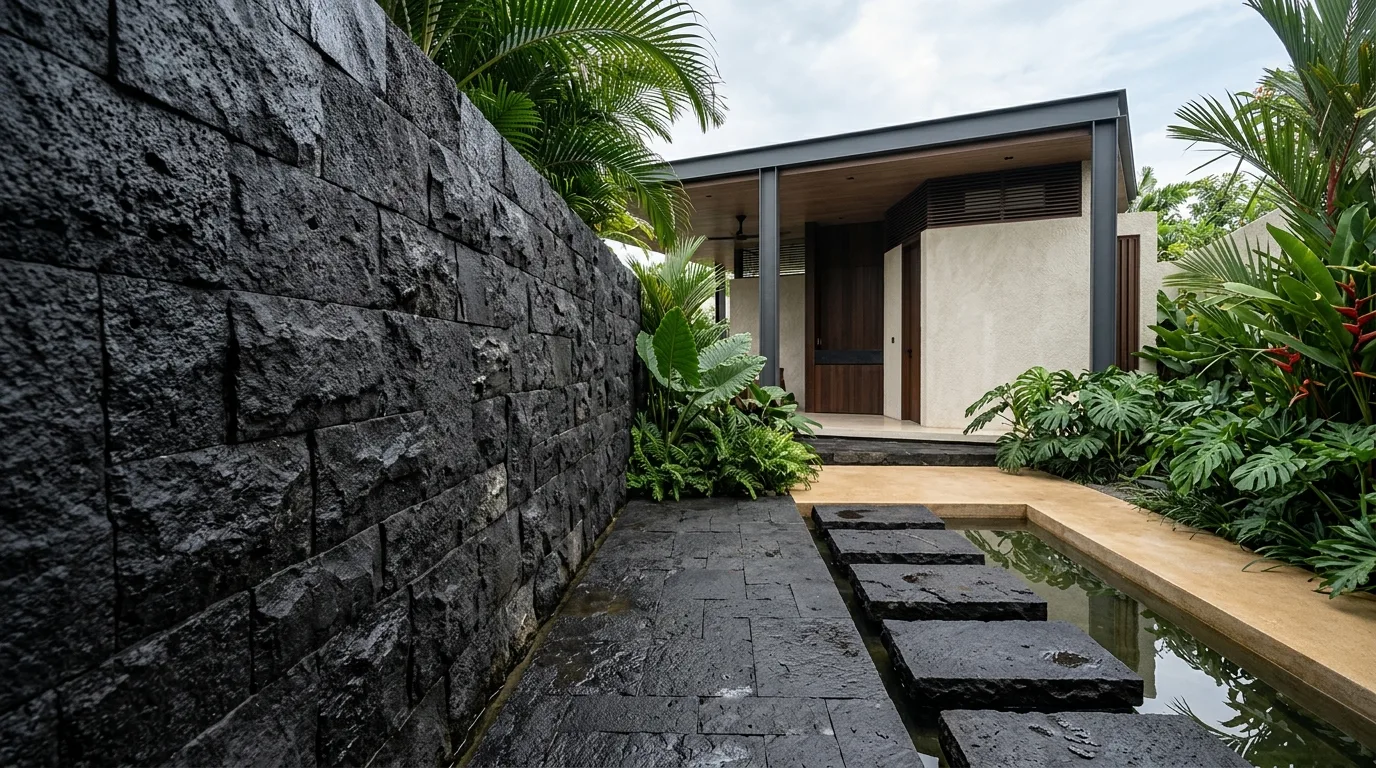
What to Consider When Specifying Black Lava Stone is best approached as a material and project-planning question, not simply as a search for a visually attractive stone. The right result depends on how the material looks at project scale, how it is supplied, how it will be installed, and what conditions it will face after completion. This guide focuses on black lava stone properties while keeping those practical decisions at the centre of the discussion.
Start with the application, not the colour
A specification for black lava stone should begin with where and how black lava stone properties will be used. A wall, garden accent, walkway and wet-area surface can require different formats and finishes. Once the application is clear, the relevant material characteristics become easier to define.
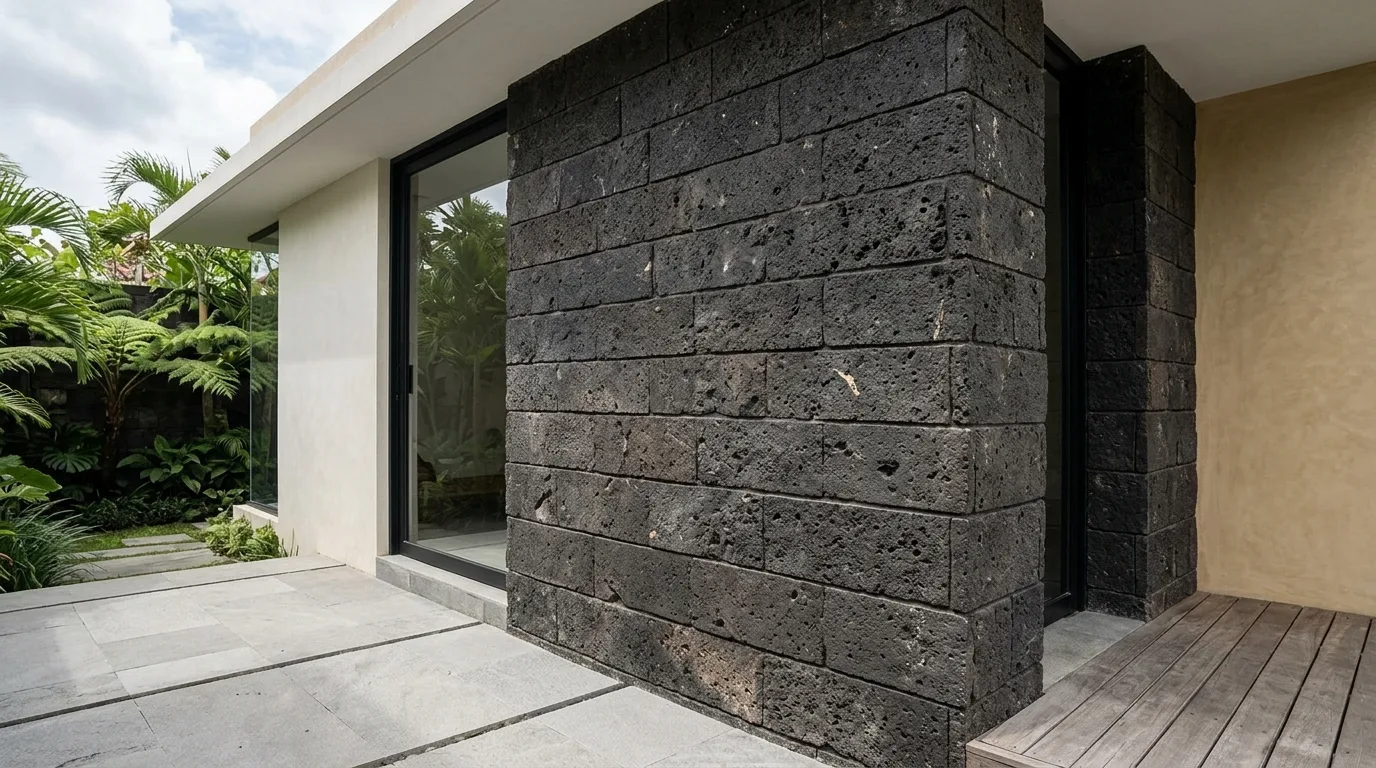
Appearance and acceptable variation
Specify the expected colour range and surface character. Words such as “black” or “premium” alone are too broad for procurement. If the design depends on a particular texture, retain a sample and describe the visual range that can be accepted.
- Review a representative physical sample before a large commitment.
- Define dimensions, finish, colour or variation expectations in writing.
- Match the product format to the actual application and installation system.
- Confirm quantity, packing and destination when purchasing internationally.
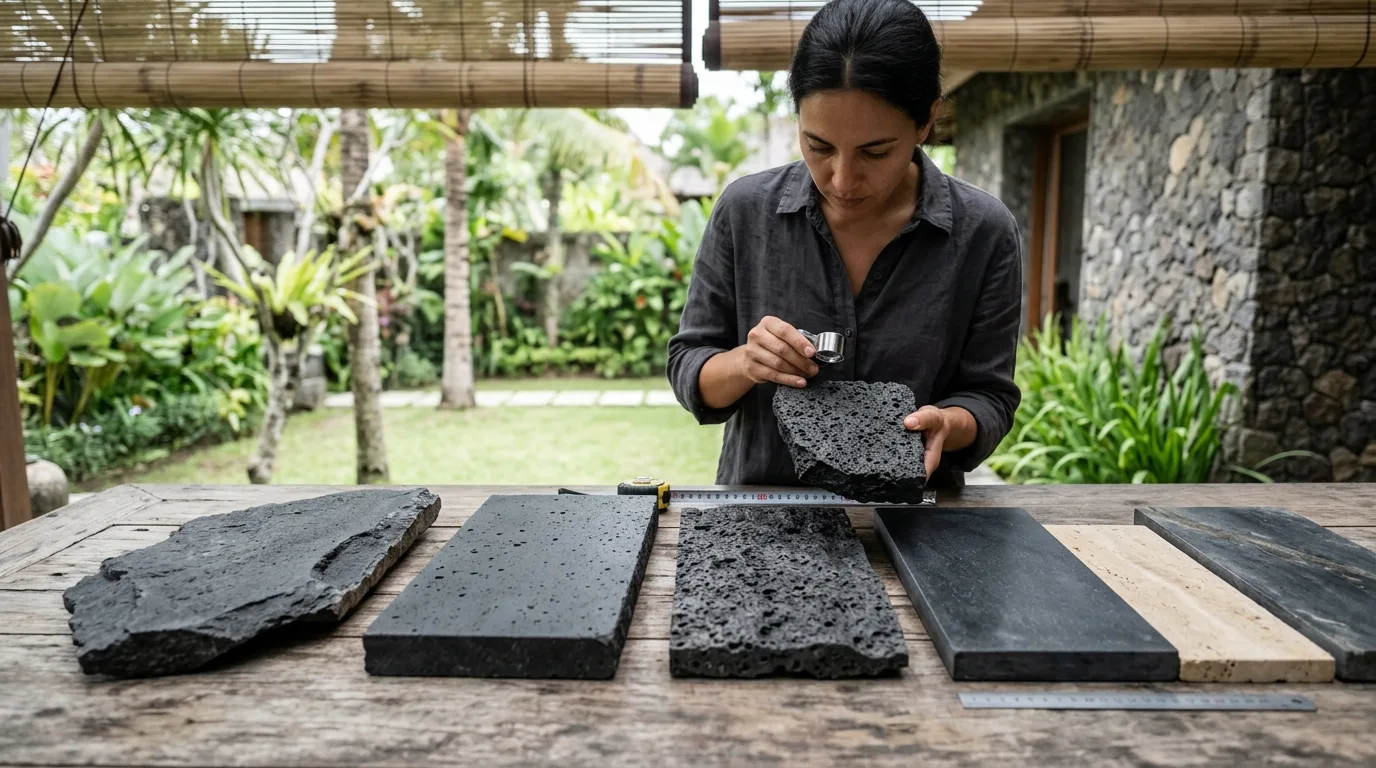
Dimensions and thickness
Dimensions affect layout, joint rhythm, cutting and installation. Thickness affects weight, handling and fixing. The selected dimensions should therefore be coordinated with the substrate and the intended installation method.
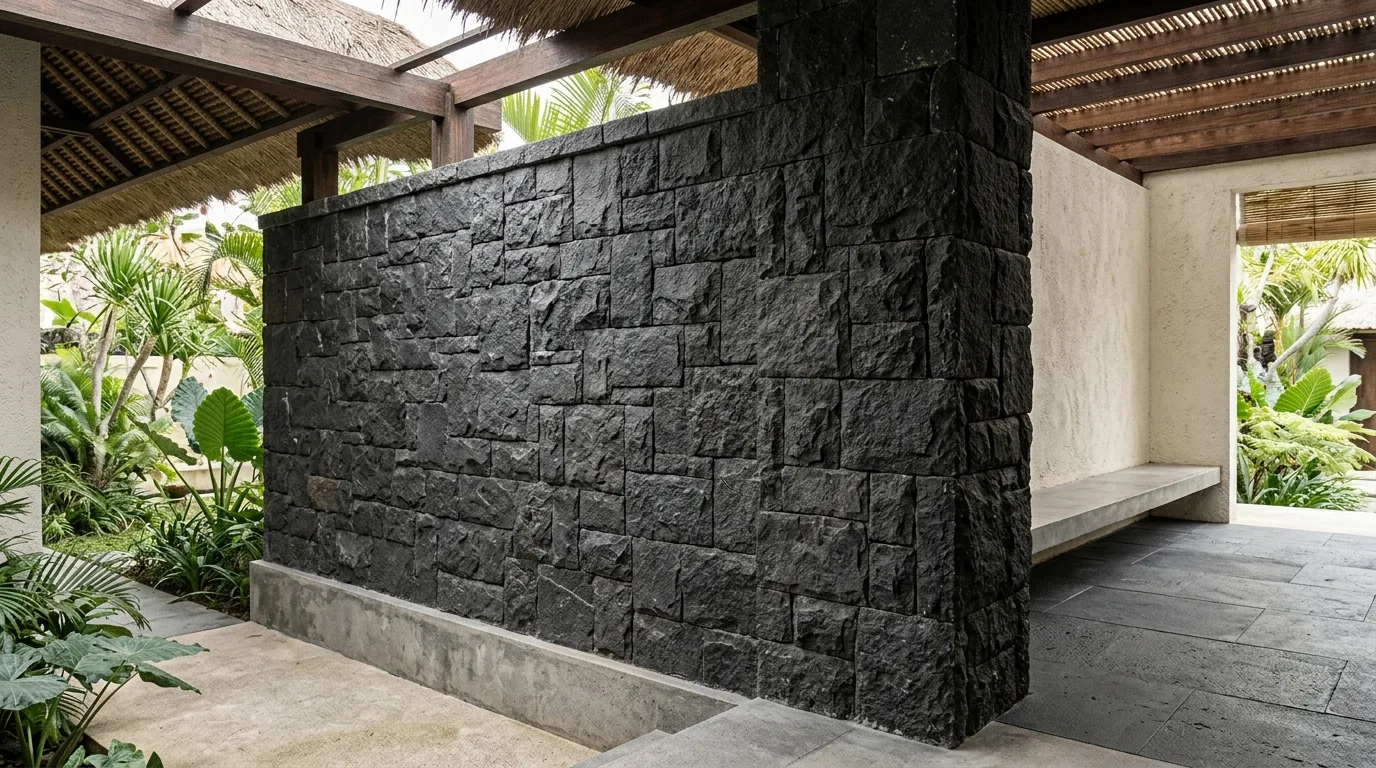
Surface finish
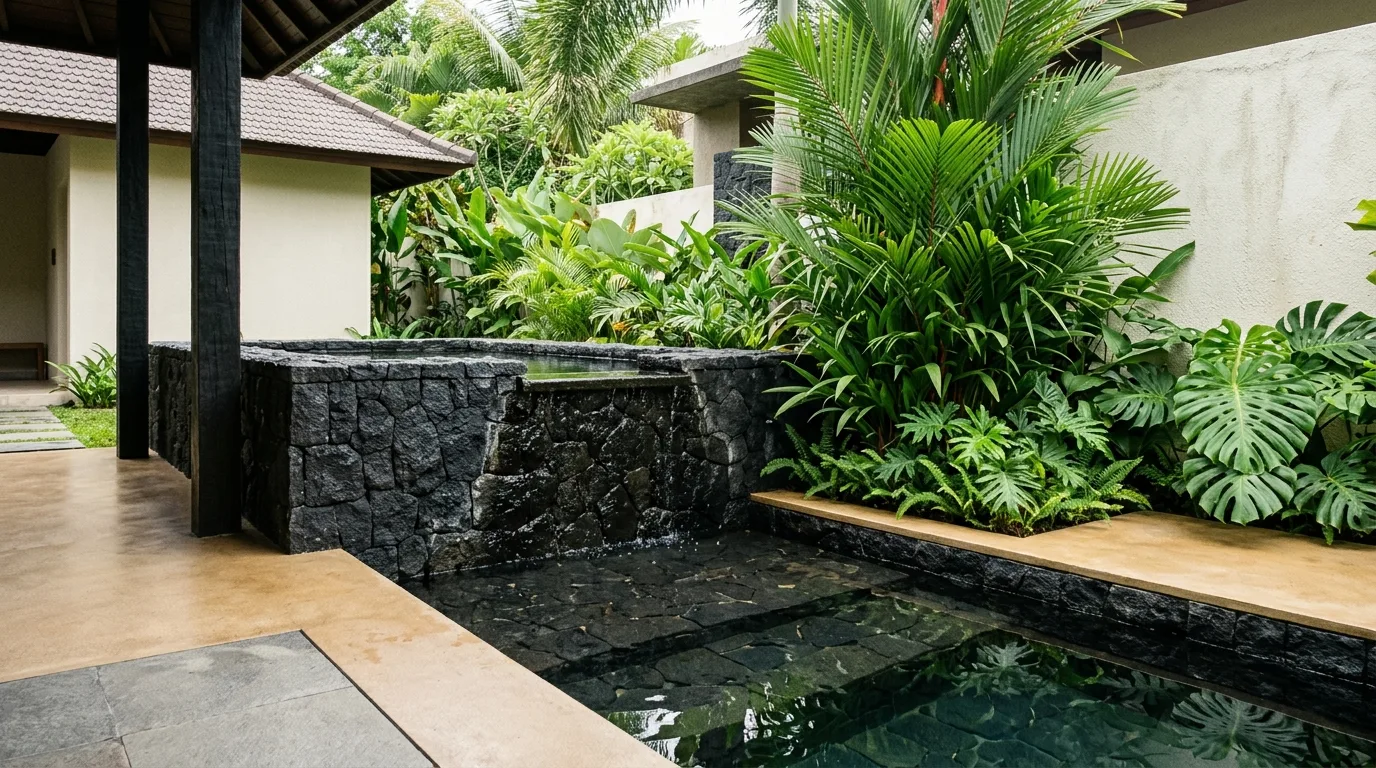
A textured finish emphasizes the geological character of lava stone. A more even finish can produce a calmer architectural surface. The choice should be reviewed alongside lighting and use conditions, particularly for floors or other areas where surface performance matters.
Edges and corners
Edge treatment becomes important when pieces meet at external corners, steps or architectural openings. A project with many exposed edges may require a more detailed fabrication specification than a simple wall plane.
A useful specification separates what is visually preferred from what is technically required. That distinction helps the design team preserve the natural character of the stone while giving procurement and production a clear target.
Quality and inspection
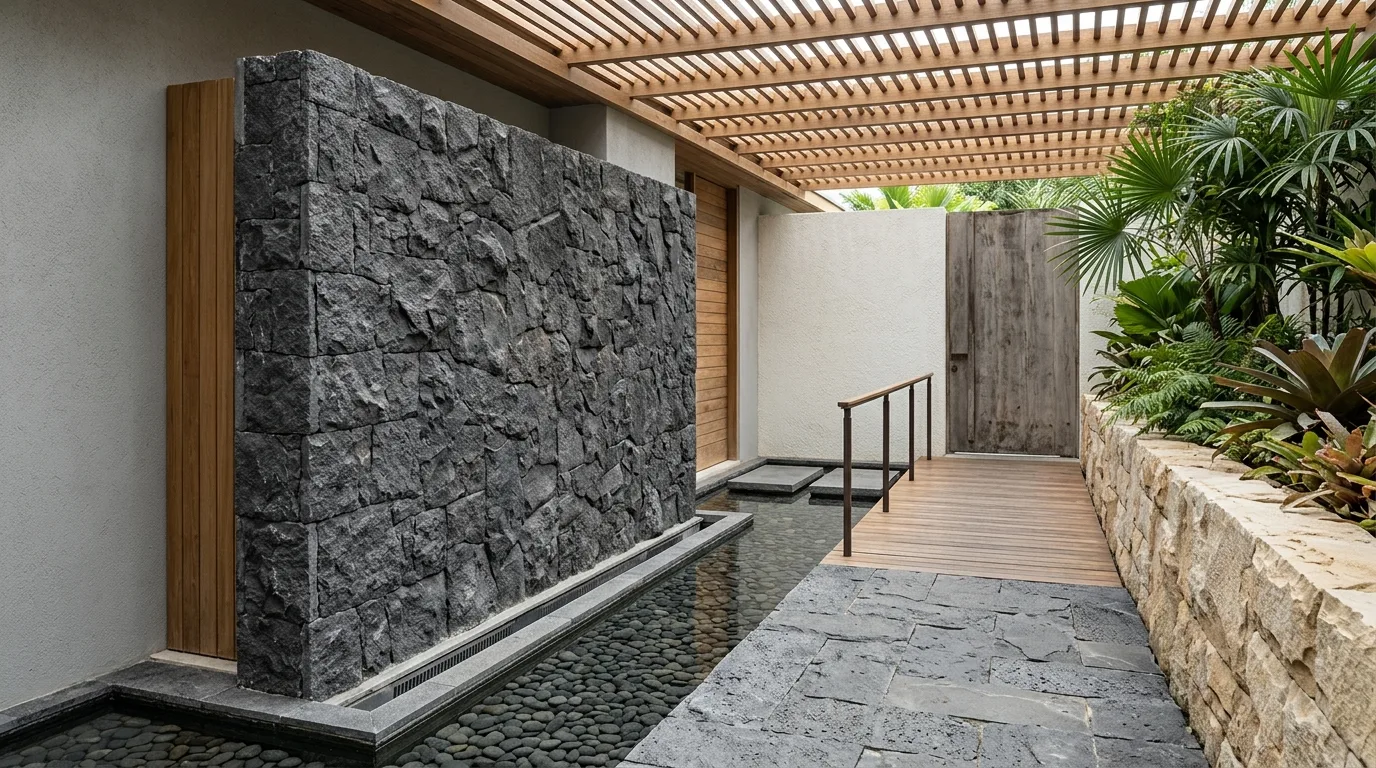
Quality control should focus on the characteristics that matter to the application: dimensions, finish, obvious defects, colour range and packing condition. The inspection process should use the approved reference rather than an assumption of perfect uniformity.
Packing and export handling
Stone is heavy and can be vulnerable to edge damage during movement. Export orders should define how pieces are separated, supported and protected. The packing method should suit the format and destination, with attention to handling at loading and unloading points.
A concise specification model
A useful document can list application, stone type, finish, nominal dimensions, thickness, tolerance, acceptable variation, quantity, packing, destination and approval sample. This turns a broad material name into an order that different project participants can interpret consistently.
Document the decision before production
Once the specification has been agreed, keep the approved sample, dimensions, finish description and quantity together in the project record. If a later change is requested, update the record rather than relying on a conversation or an old photograph. This simple discipline is particularly helpful when the order is produced in stages. It gives the supplier a clear target and gives the buyer a reference for checking the finished material before it leaves the production facility.
Turning the material choice into a project specification
Once the design direction is established, record the decision in measurable terms. Identify the stone, intended application, nominal dimensions, thickness where relevant, surface finish, acceptable natural variation, estimated quantity and destination. Keep the approved sample or a documented reference with the purchase information. For export orders, also record the agreed packing and shipping scope. This creates a single reference that can be used by the supplier, purchaser, freight provider and installer.
| Specification area | What to define | Why it matters |
|---|---|---|
| Material | Stone type, colour range, surface character | Aligns the visual expectation |
| Format | Size, thickness, shape or piece range | Supports production and installation planning |
| Quality | Acceptable variation and inspection reference | Creates realistic expectations for natural material |
| Logistics | Packing, quantity, destination and shipping scope | Clarifies delivered-project assumptions |
Final considerations
The value of black lava stone properties comes from how well its natural character fits the intended space. A successful project does not require every piece to look identical. It requires the expected range of appearance, the technical application and the supply process to be understood before the material is ordered. For Indonesian natural stone projects, early sample approval, clear specifications, appropriate packing and coordinated delivery can make the transition from design concept to finished installation much more predictable.
Explore the available natural stone products or visit our contact page to discuss a project-specific requirement.
Frequently Asked Questions
How should I evaluate black lava stone properties?
Start with the actual application, then review a representative sample for colour, texture, size and finish. The material should be judged together with the surrounding architecture and installation conditions.
Should natural variation be specified?
Yes. Natural stone is not a factory-printed surface. Defining an acceptable visual range makes sample approval, production and inspection much clearer.
What information should an international buyer provide?
Provide the application, product type, dimensions or size range, finish, quantity, destination and any packing or shipping requirements. This gives the supplier enough context to prepare a meaningful quotation.